j

Lorem ipsum dolor amet, consect adipiscing elit, diam nonummy.

Follow Us

Search

Hunterfly Roadhouses
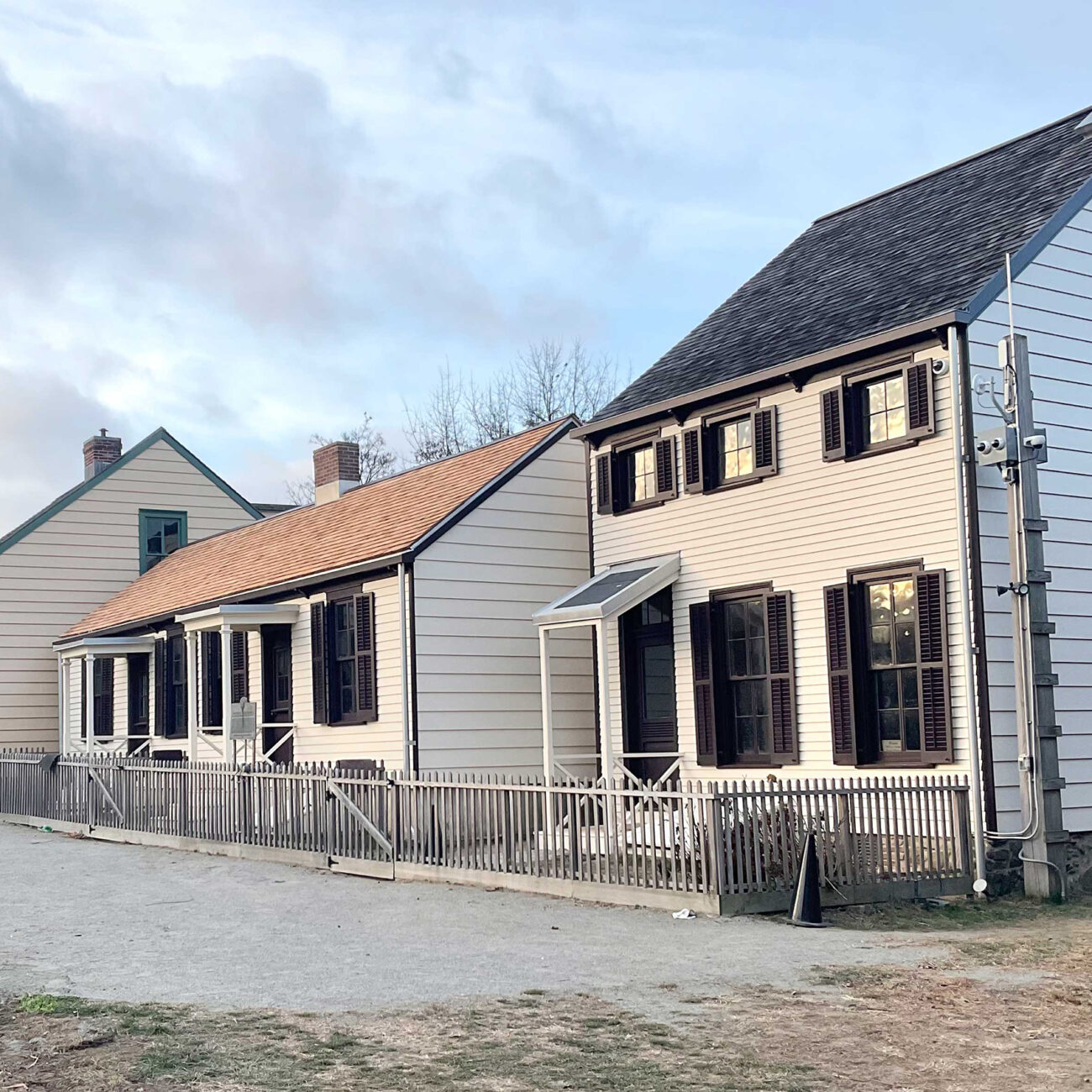
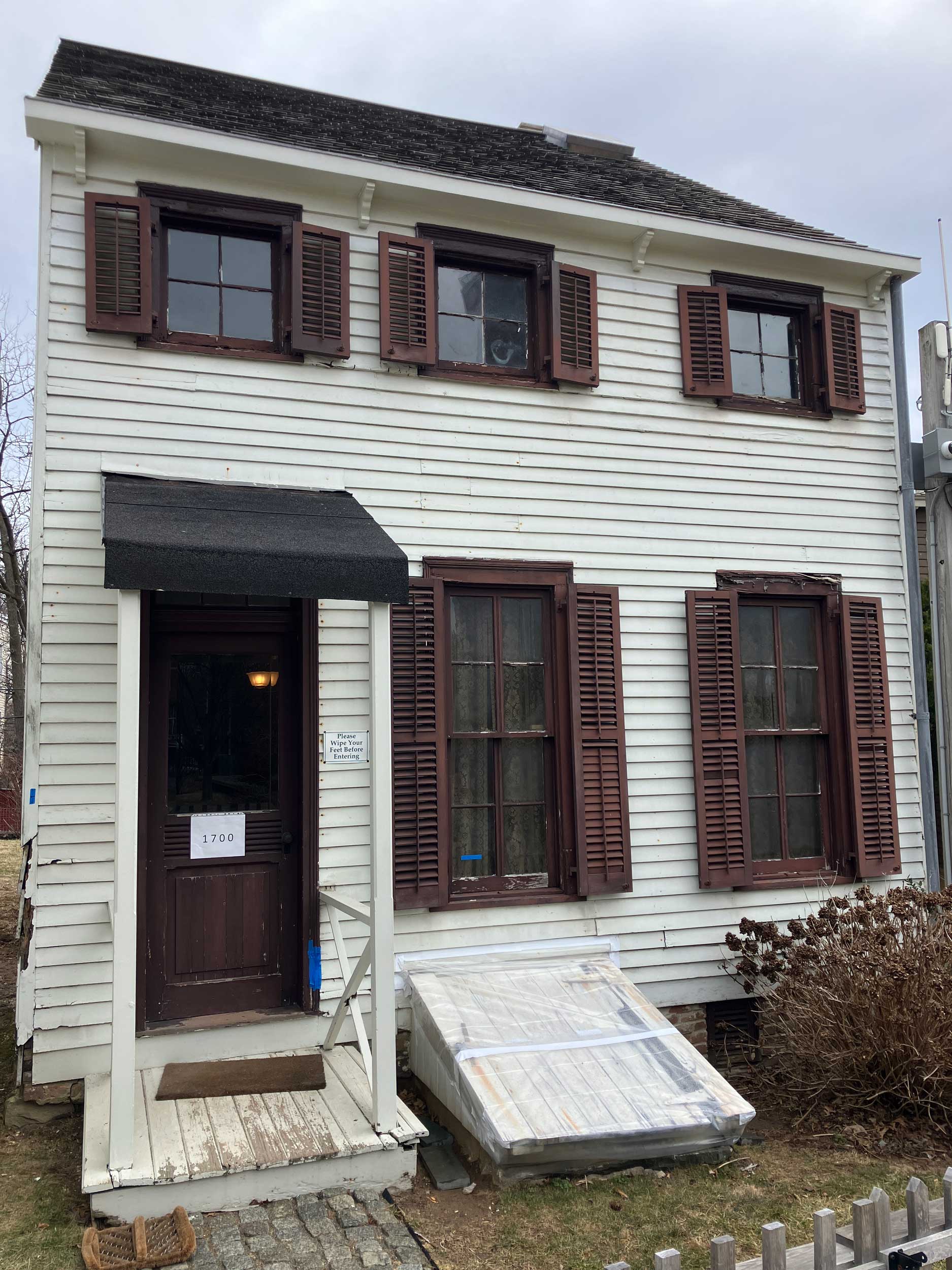
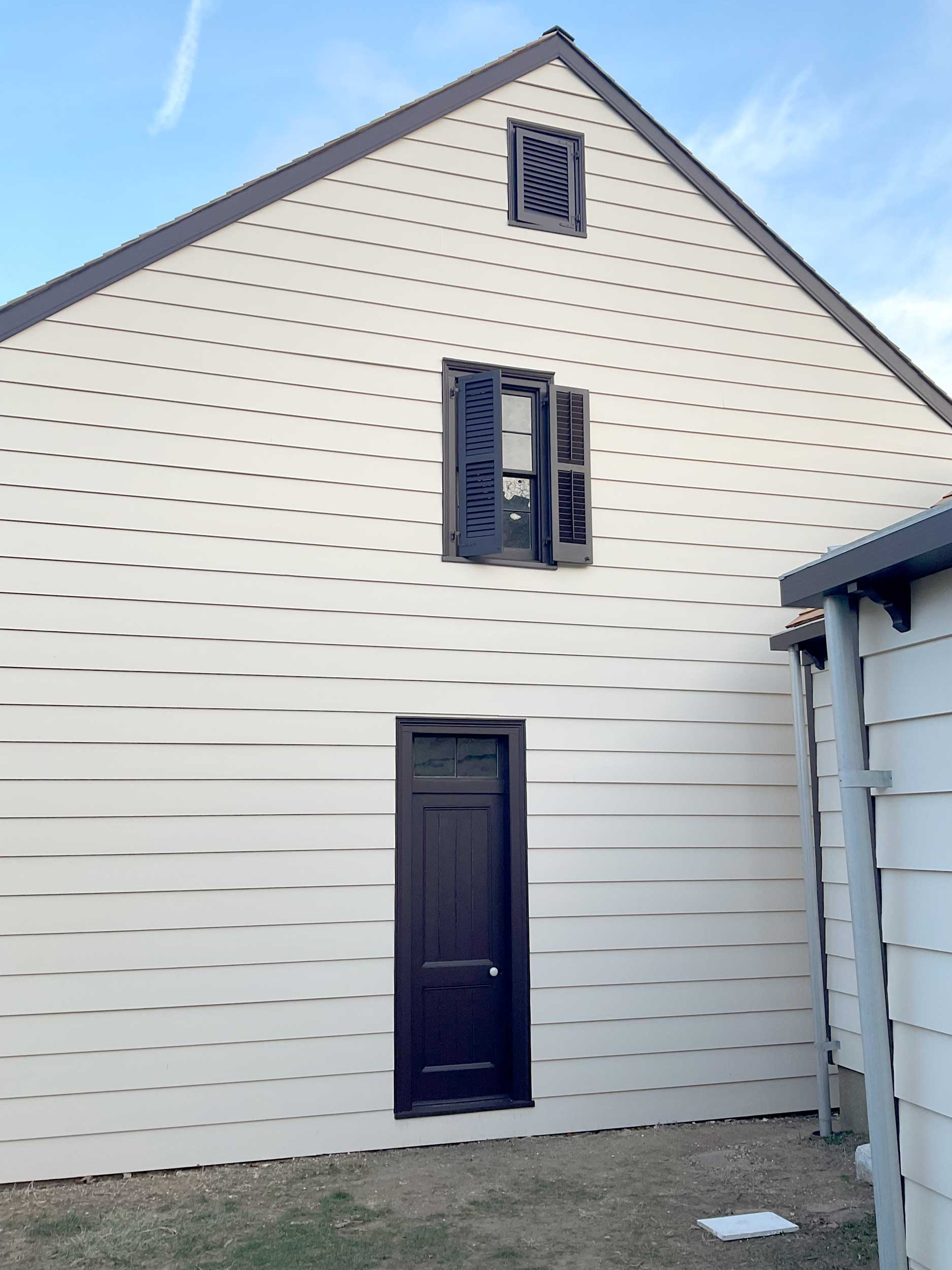
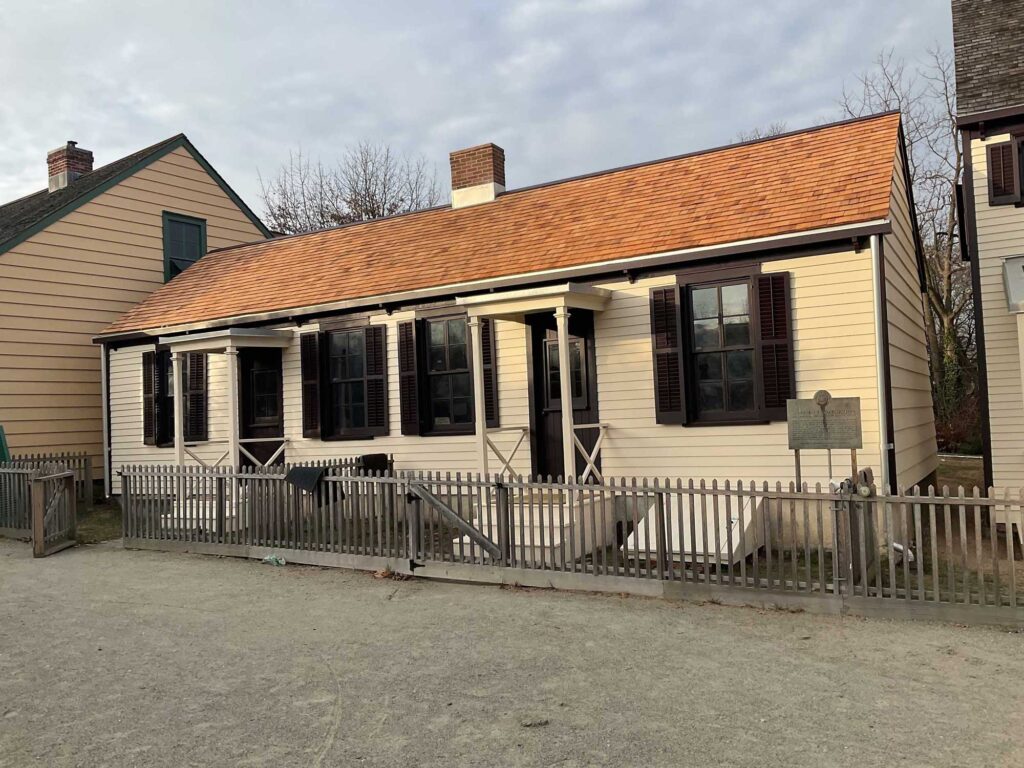
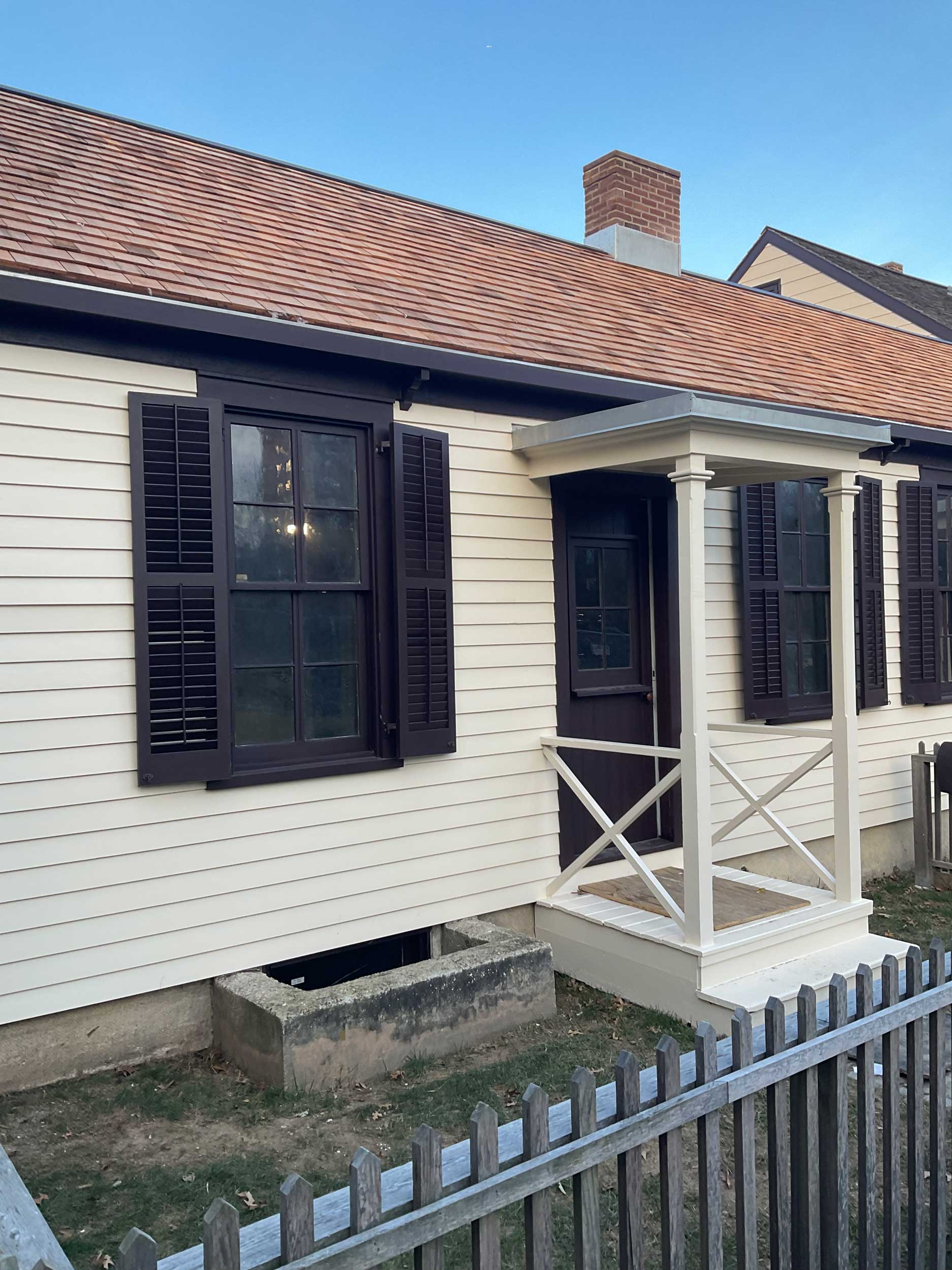
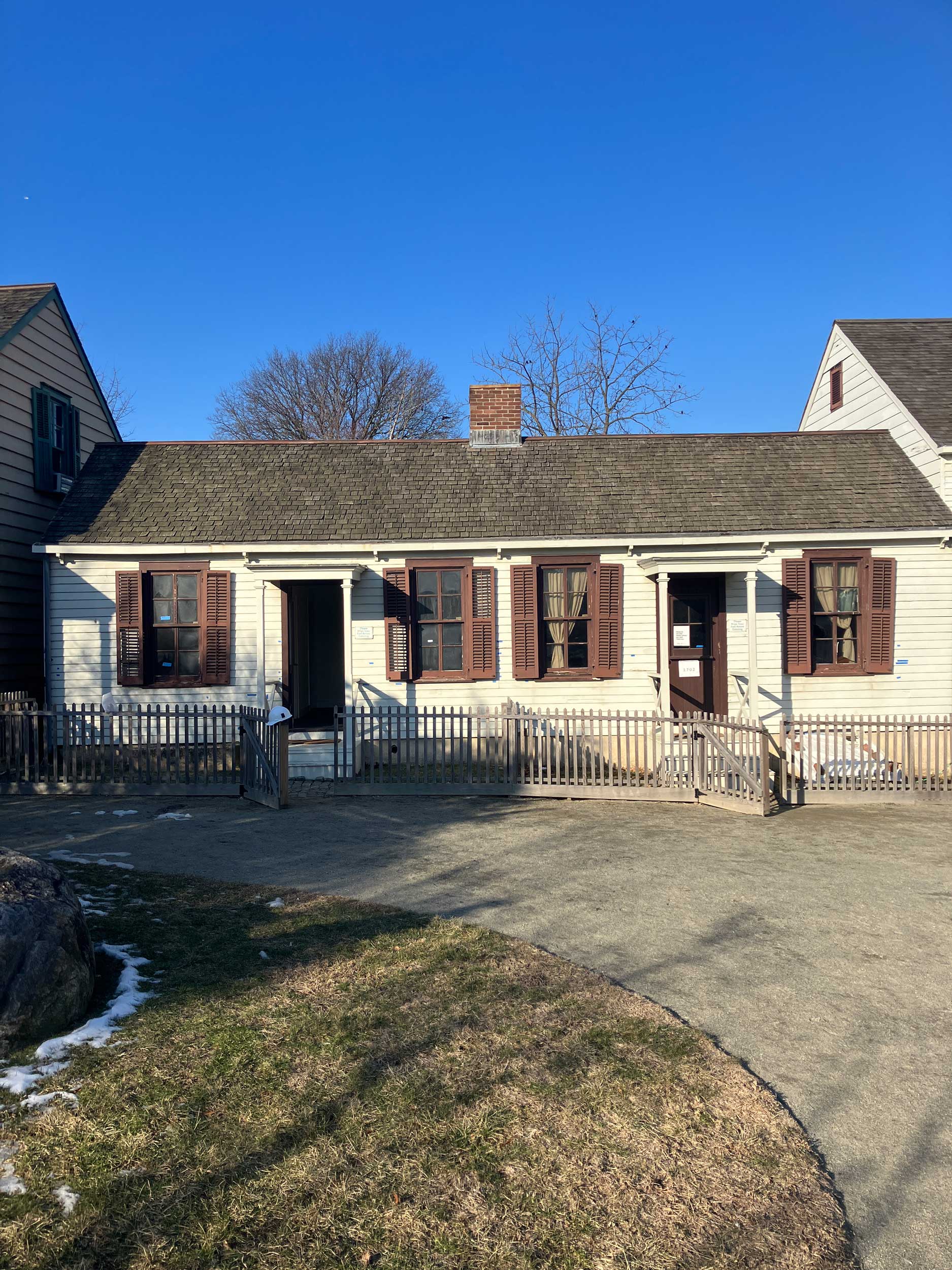
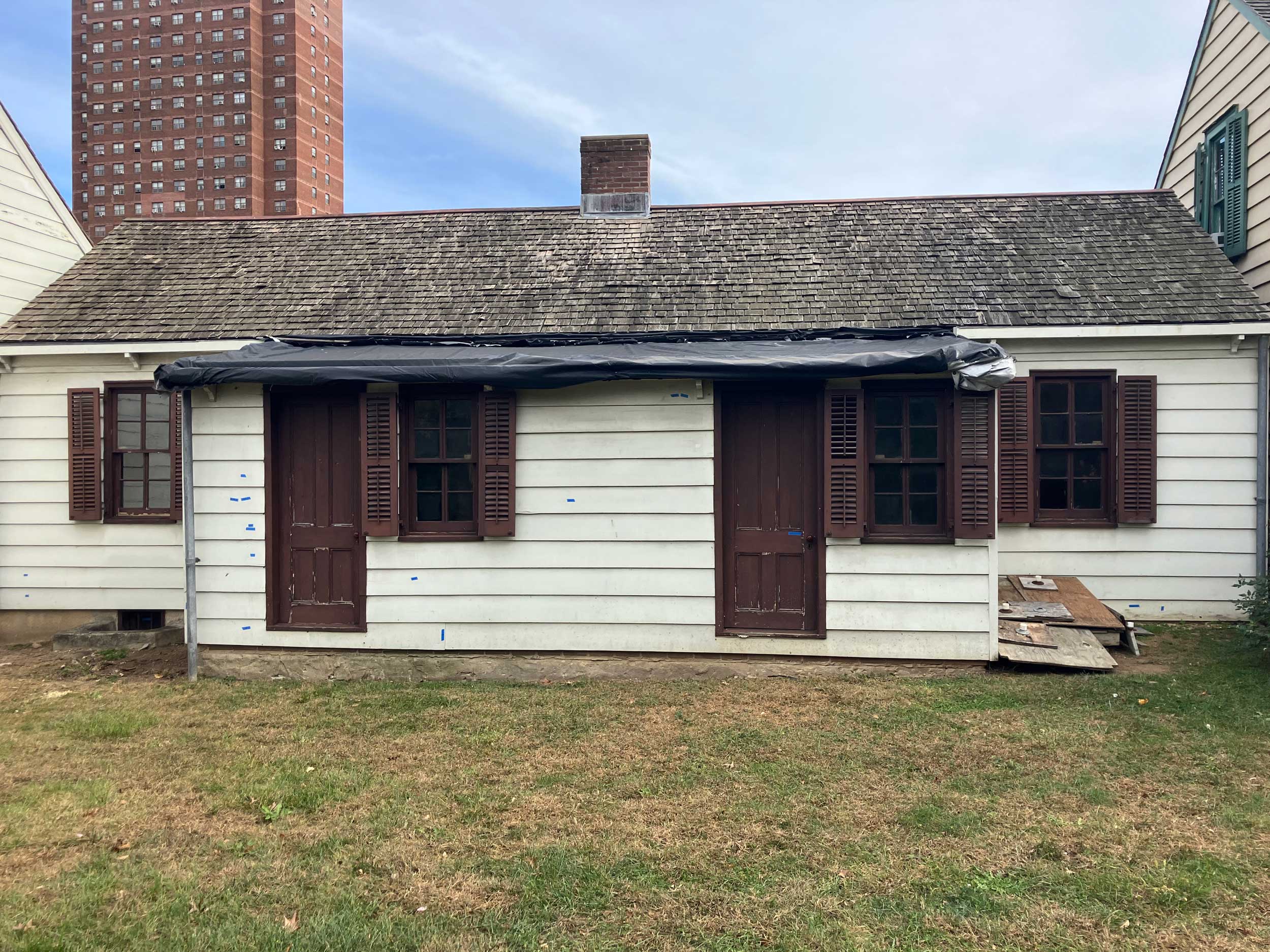
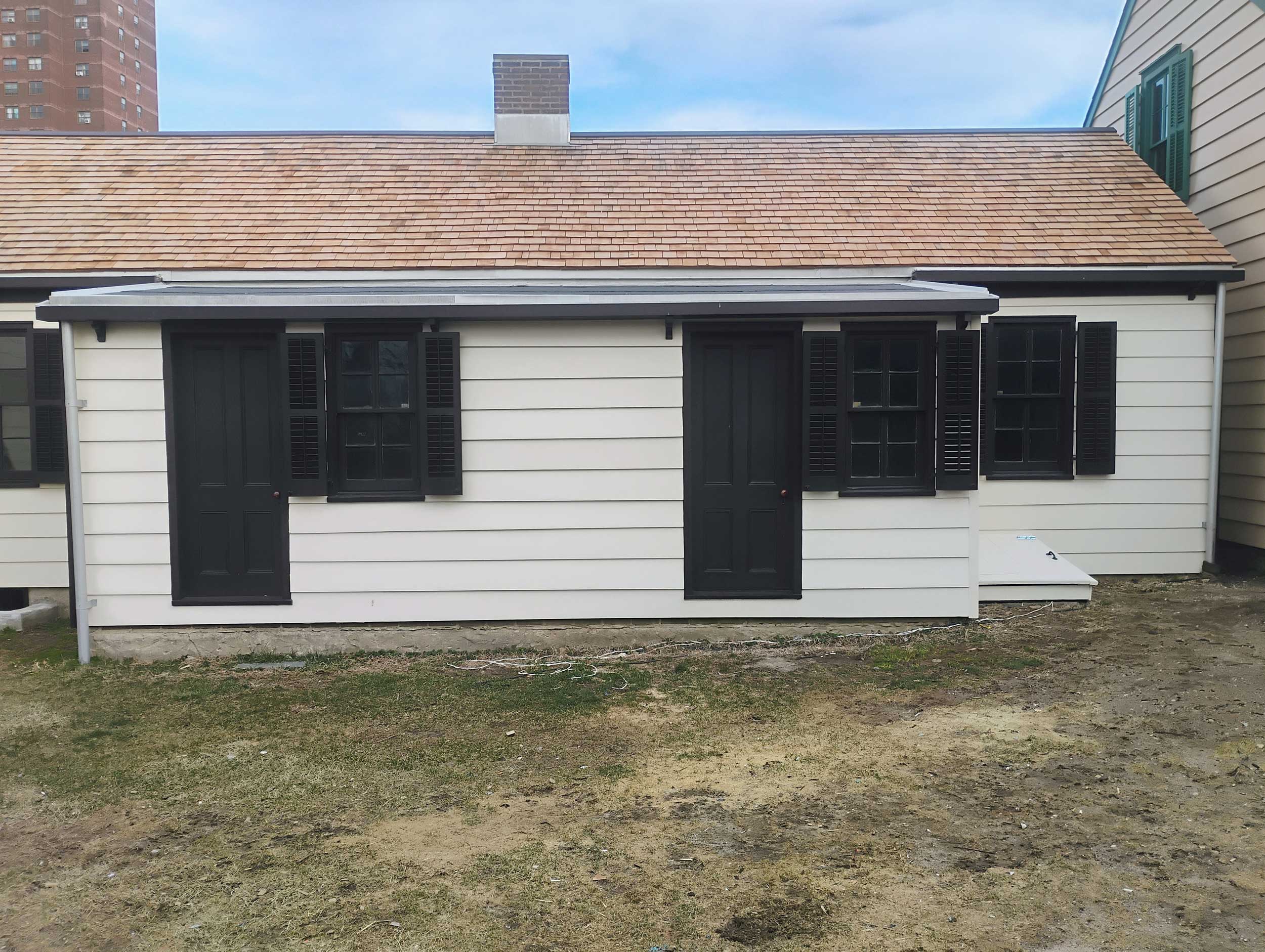
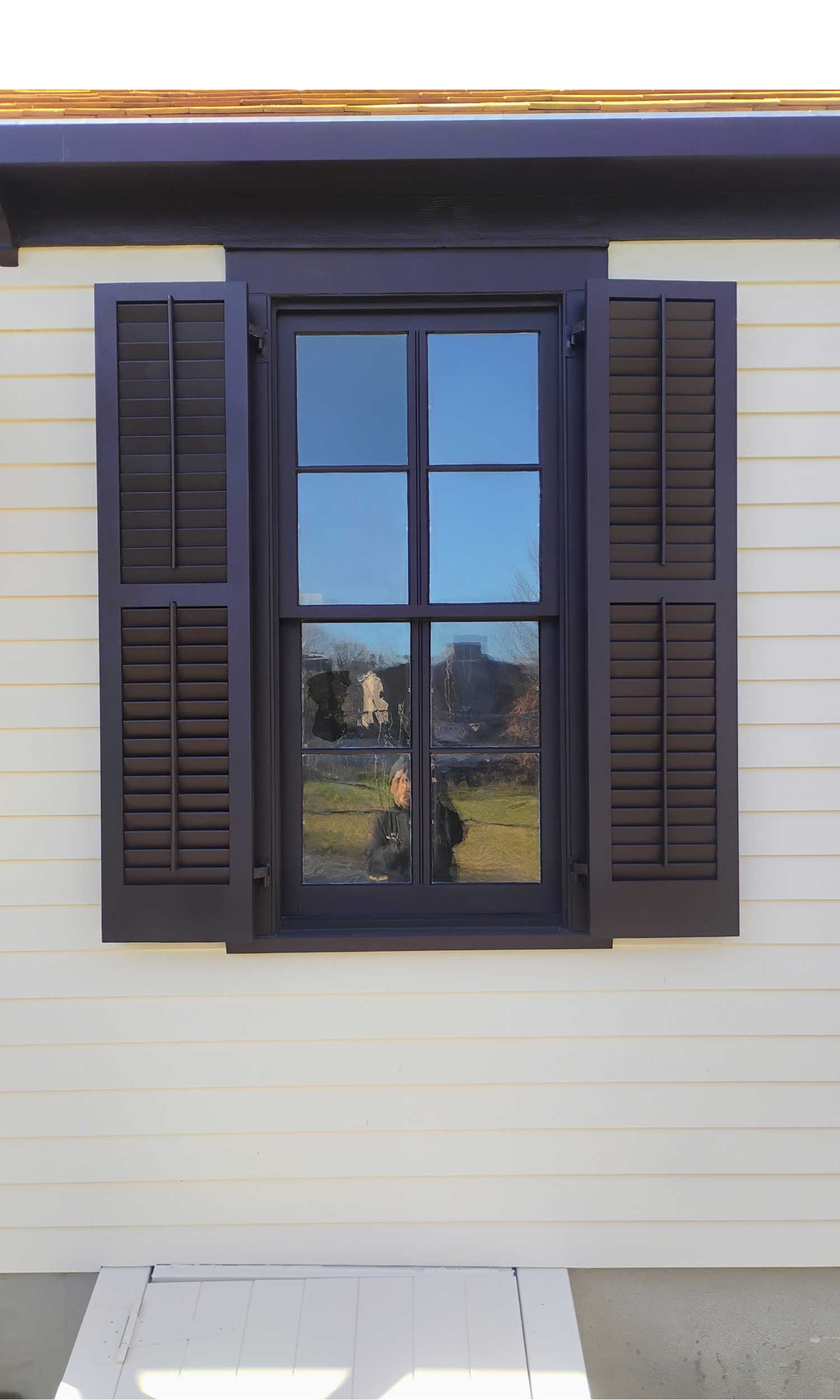
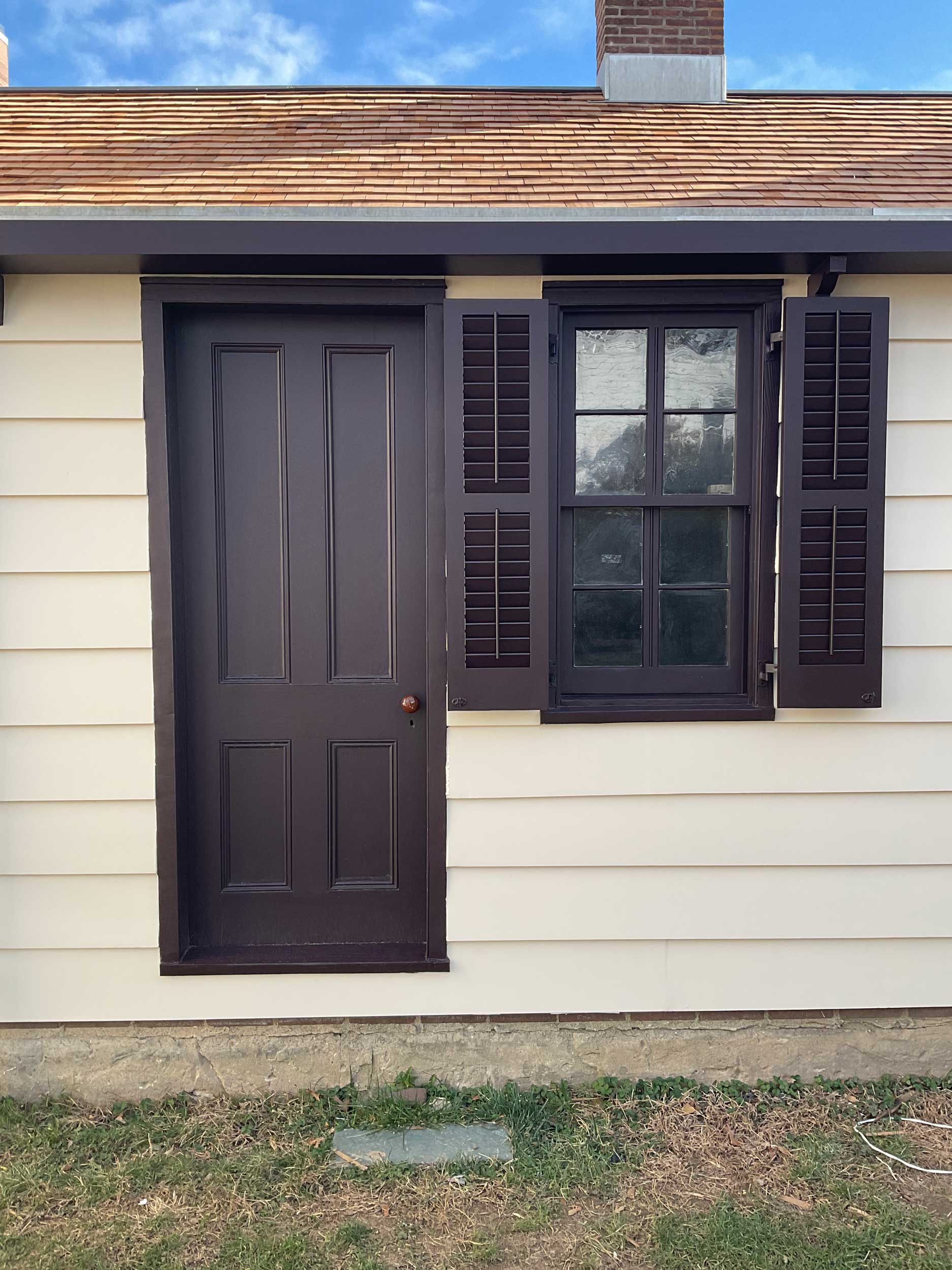
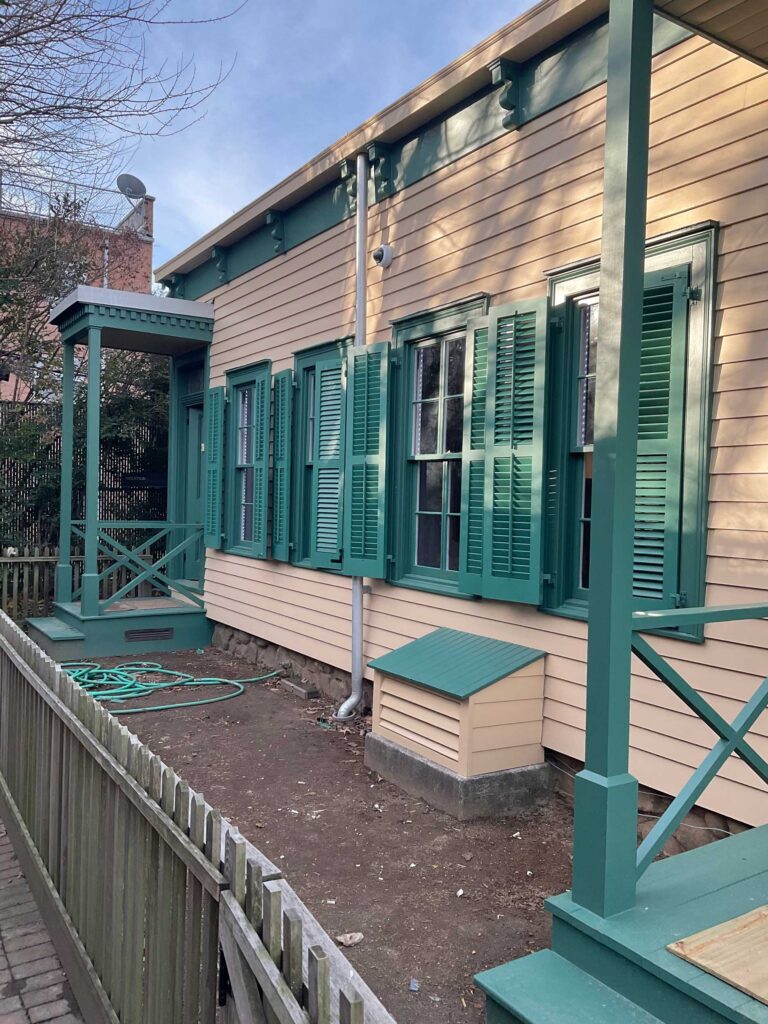
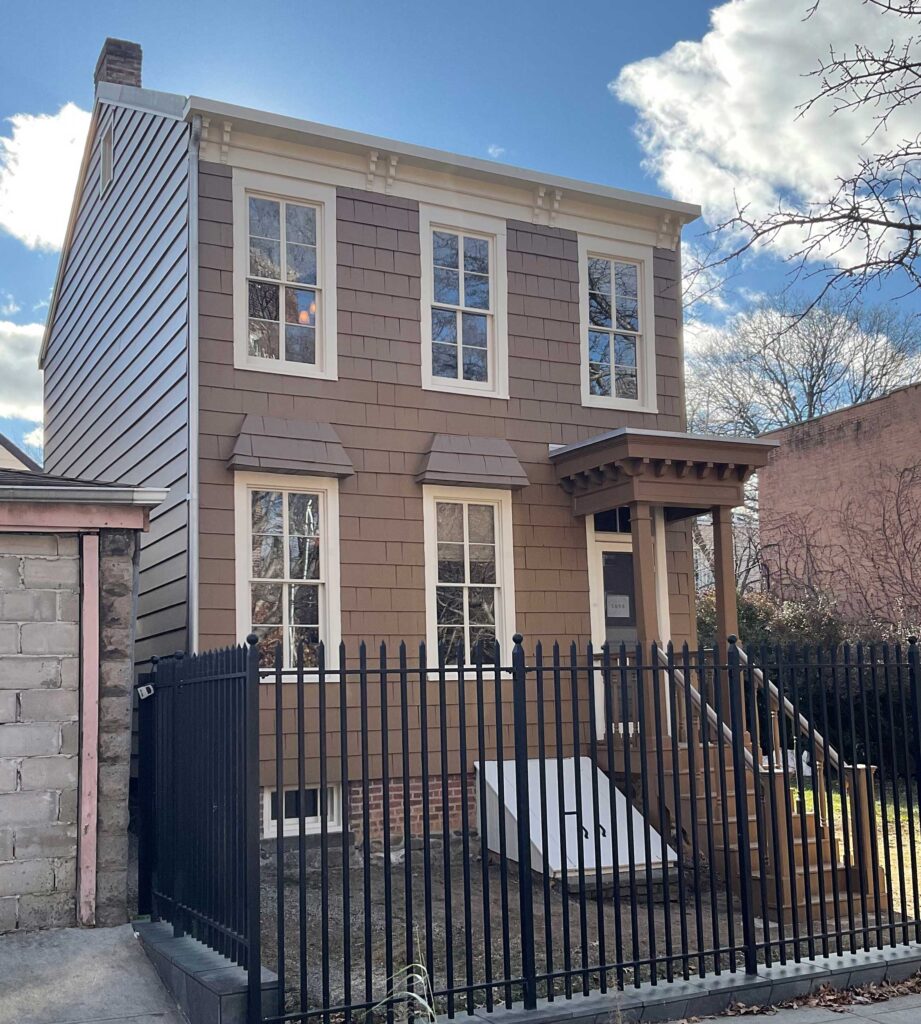
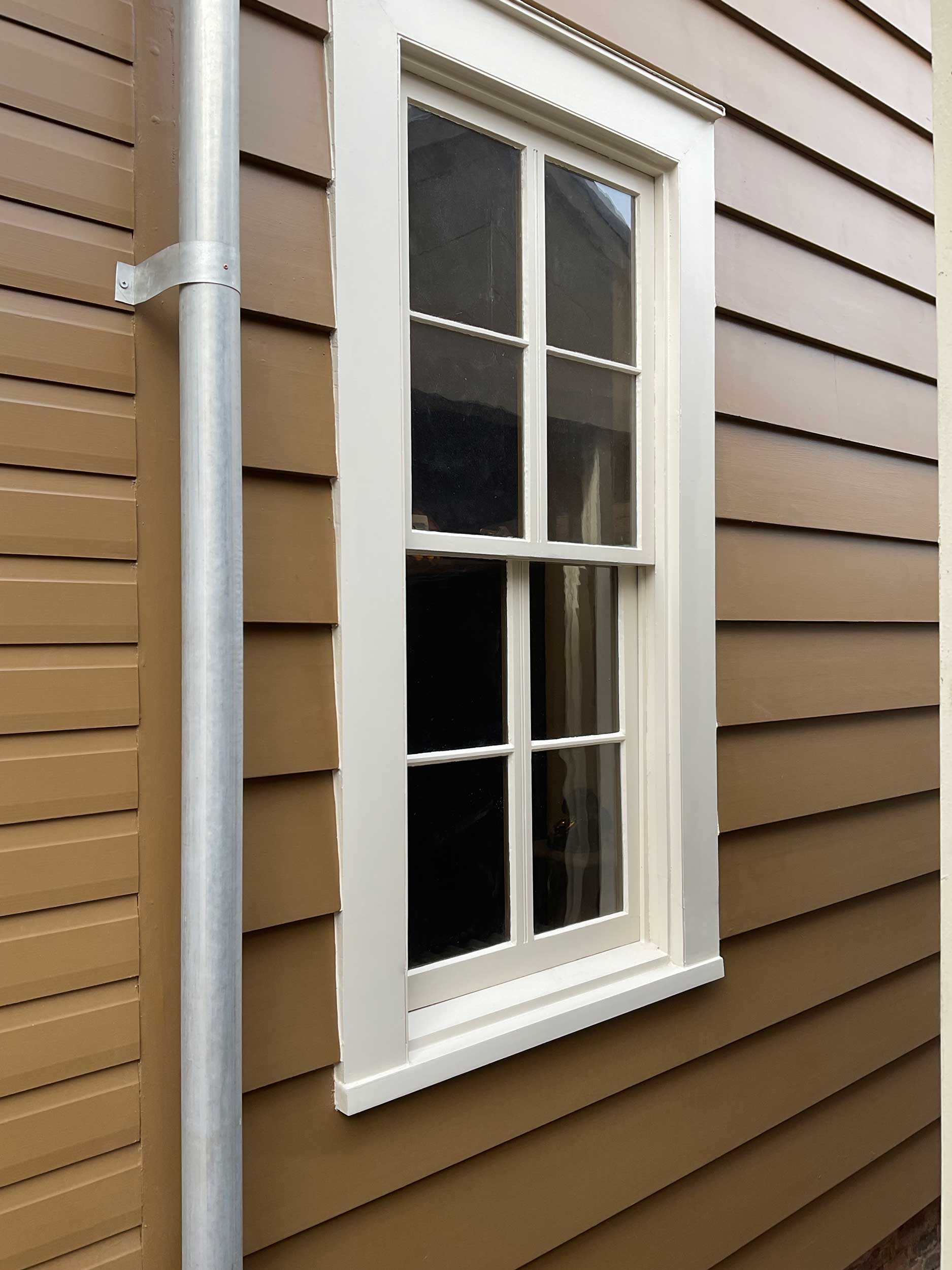
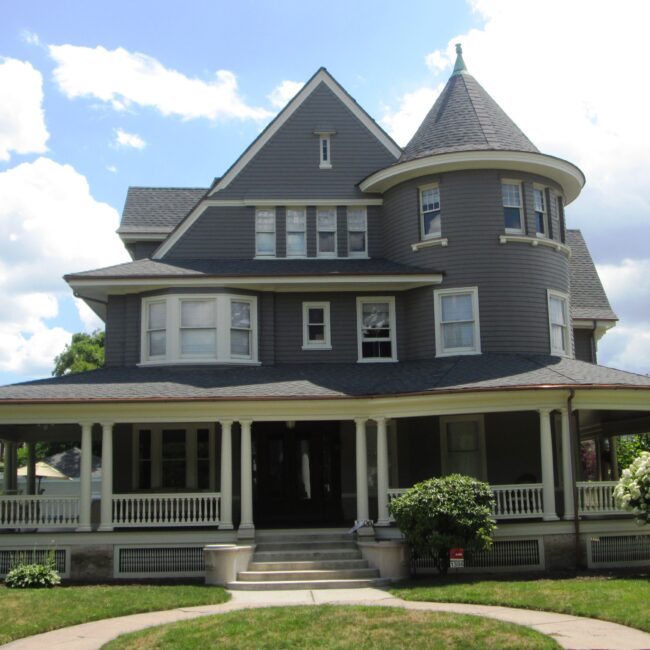
overall view of historic hunterfly roadhouses in Brooklyn after restoration
T

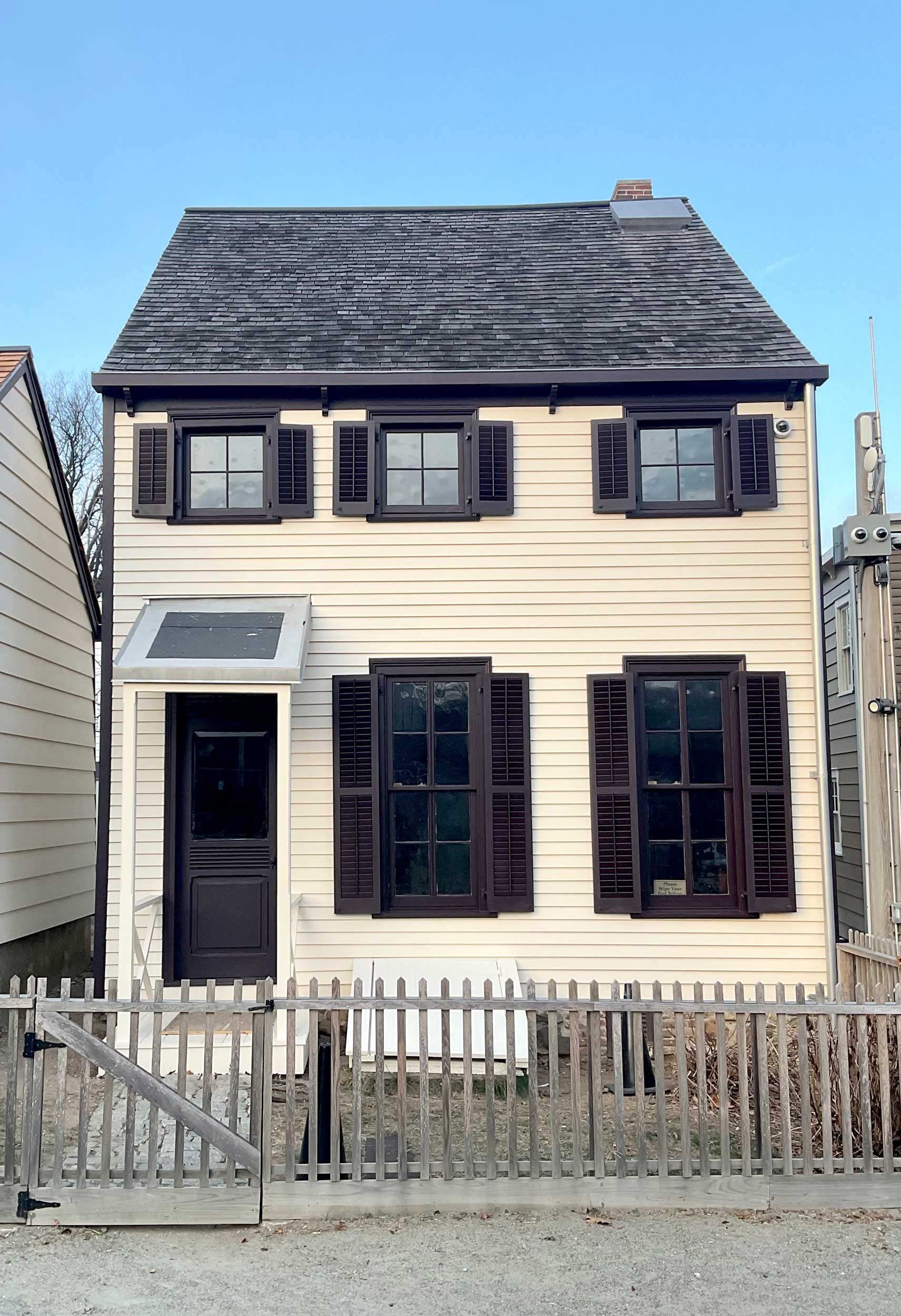
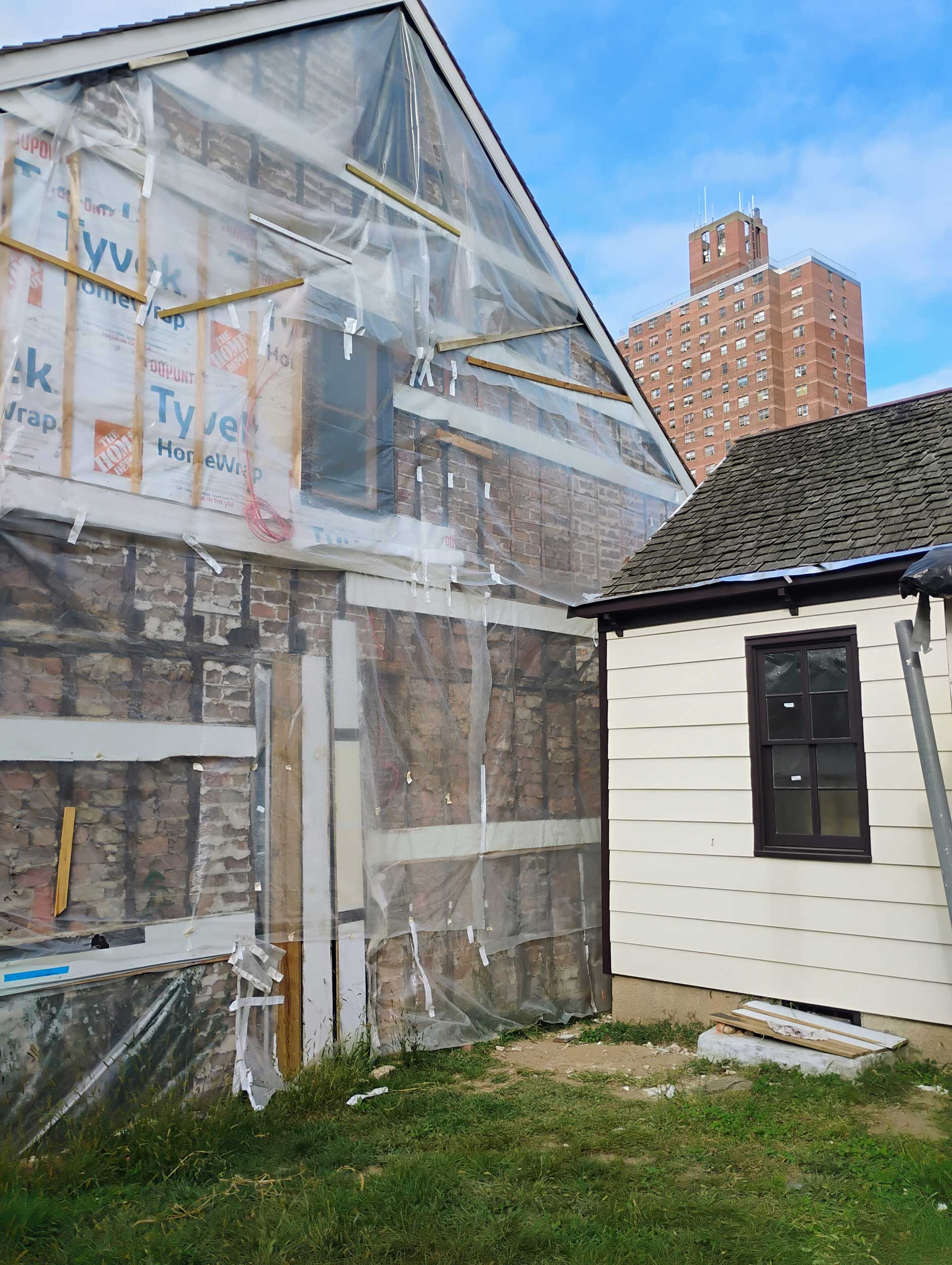
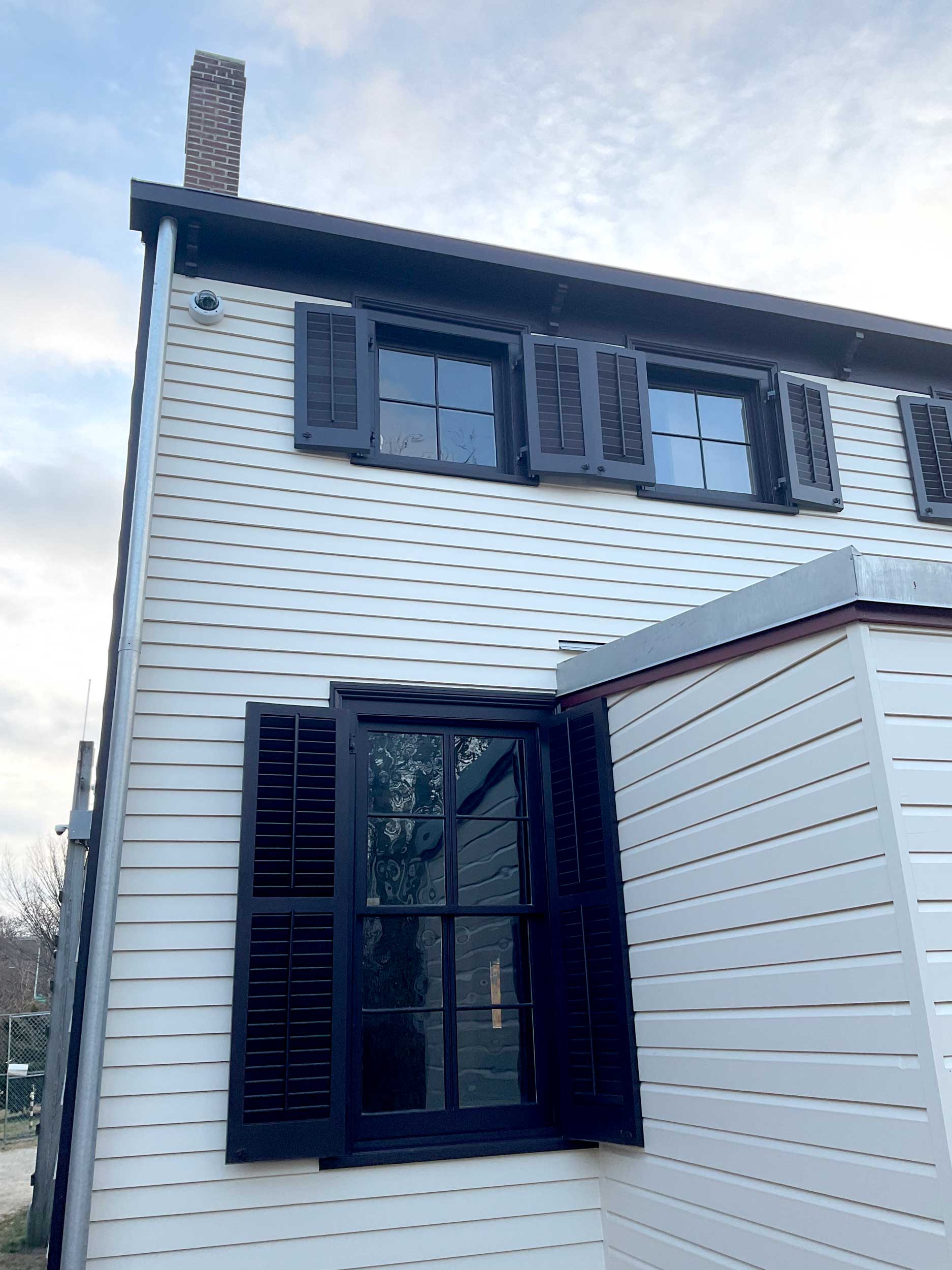
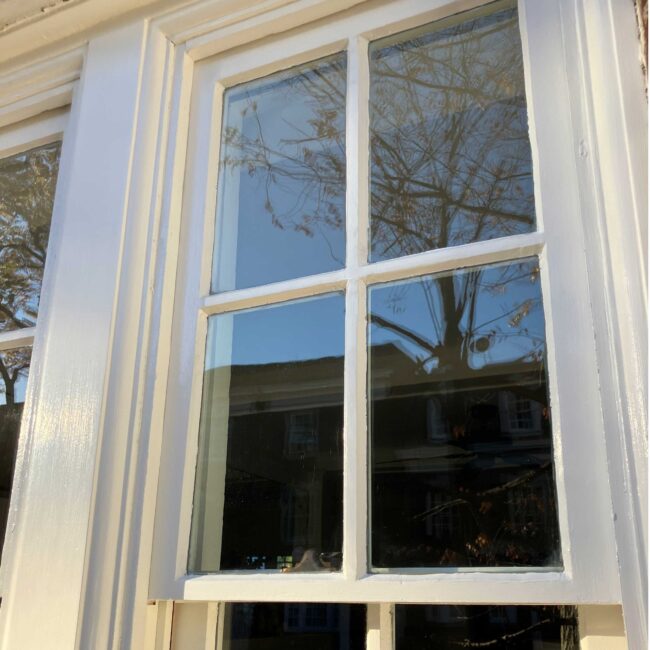
he Hunterfly Road Houses, located within what is now Crown Heights, Brooklyn, are among the most significant surviving physical links to 19th-century Black life in New York City. Constructed between approximately 1835 and 1850, these houses are the last remaining structures from the historic community of Weeksville, one of the earliest free Black settlements in the United States. At a time when slavery was still legal in New York State and racial discrimination was deeply entrenched, Weeksville emerged as a rare place where free Black Americans could own property, build institutions, and exercise political and social autonomy. Weeksville was home to educators, tradespeople, church leaders, journalists, and activists. The community supported its own schools, churches, and businesses, and it became a center for Black intellectual and civic life in the 19th century. Notably, Weeksville residents were able to meet the property ownership requirements that allowed Black men to vote in New York decades before universal suffrage. The Hunterfly Road Houses once stood along Hunterfly Road, a rural thoroughfare that connected the settlement to Brooklyn and Manhattan. As Brooklyn rapidly urbanized in the late 19th and early 20th centuries, nearly all of Weeksville was erased by development. By the mid-20th century, these four houses were the only remaining above-ground structures from the original community. Rediscovered in the 1960s by historians and community activists, the houses were saved from demolition and eventually became part of what is now the Weeksville Heritage Center. Today, they stand as rare, tangible evidence of Black resilience, self-determination, and community building in early America. Architecturally, the houses reflect modest 19th-century domestic construction, with wood framing, traditional sash windows, shutters, and hand-crafted exterior details. Their simplicity is part of their significance: these are not grand monuments, but everyday homes that tell a deeply American story of persistence, labor, and dignity. Preserving the Hunterfly Road Houses is not only an act of architectural conservation—it is an act of historical stewardship. Their survival allows present and future generations to engage directly with a foundational chapter of American history that is too often overlooked or erased.
1.
Asessment

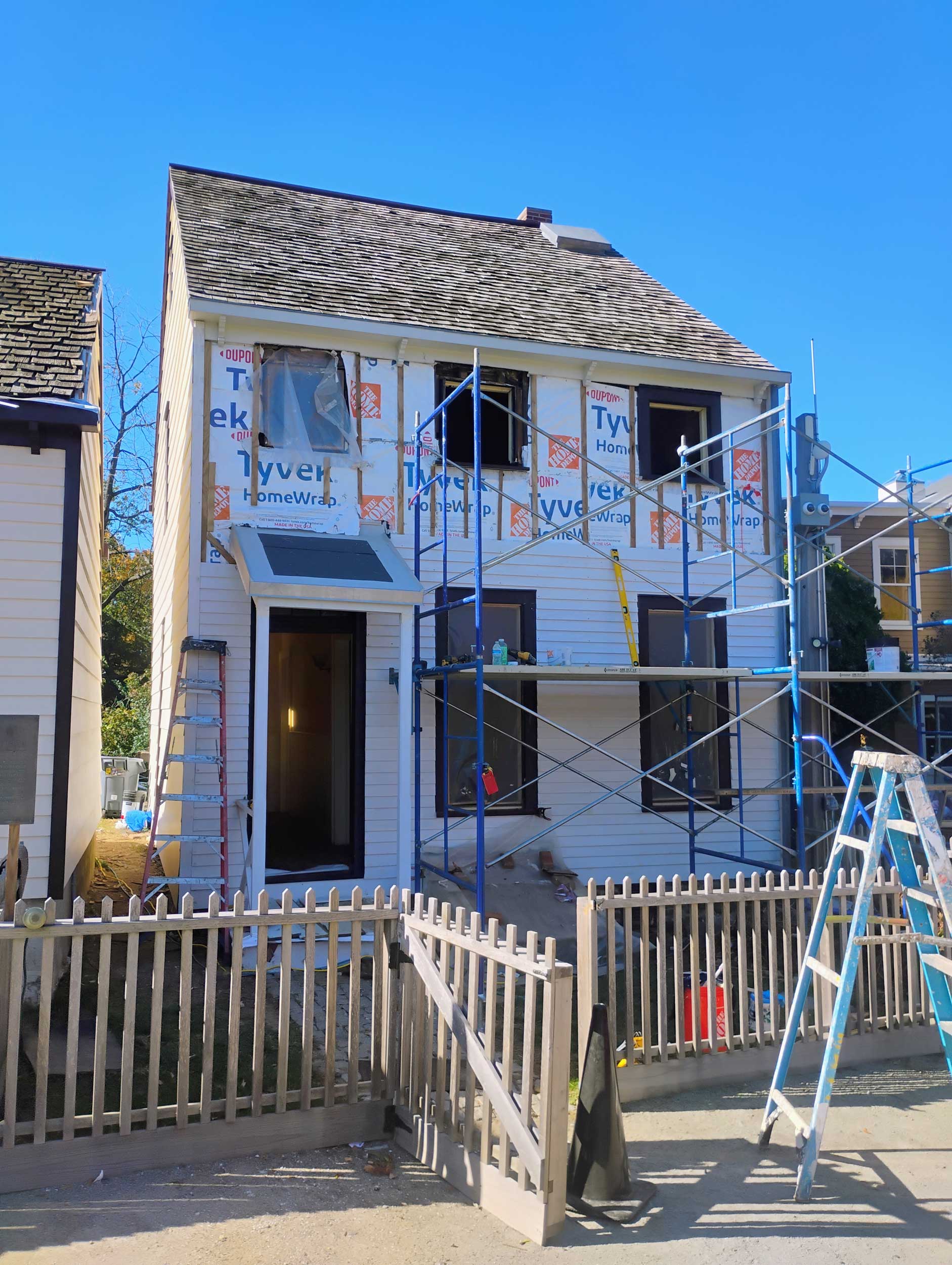
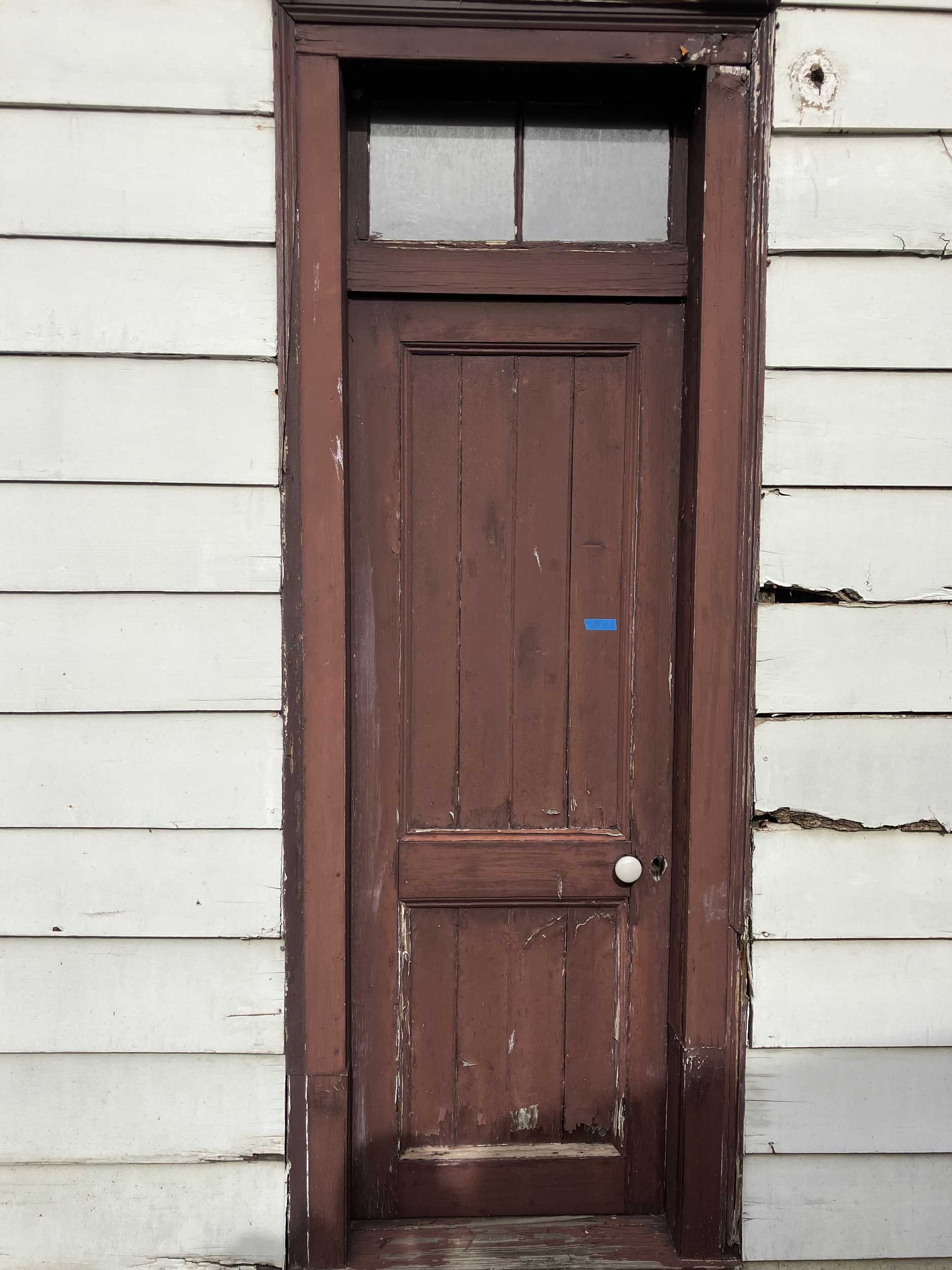
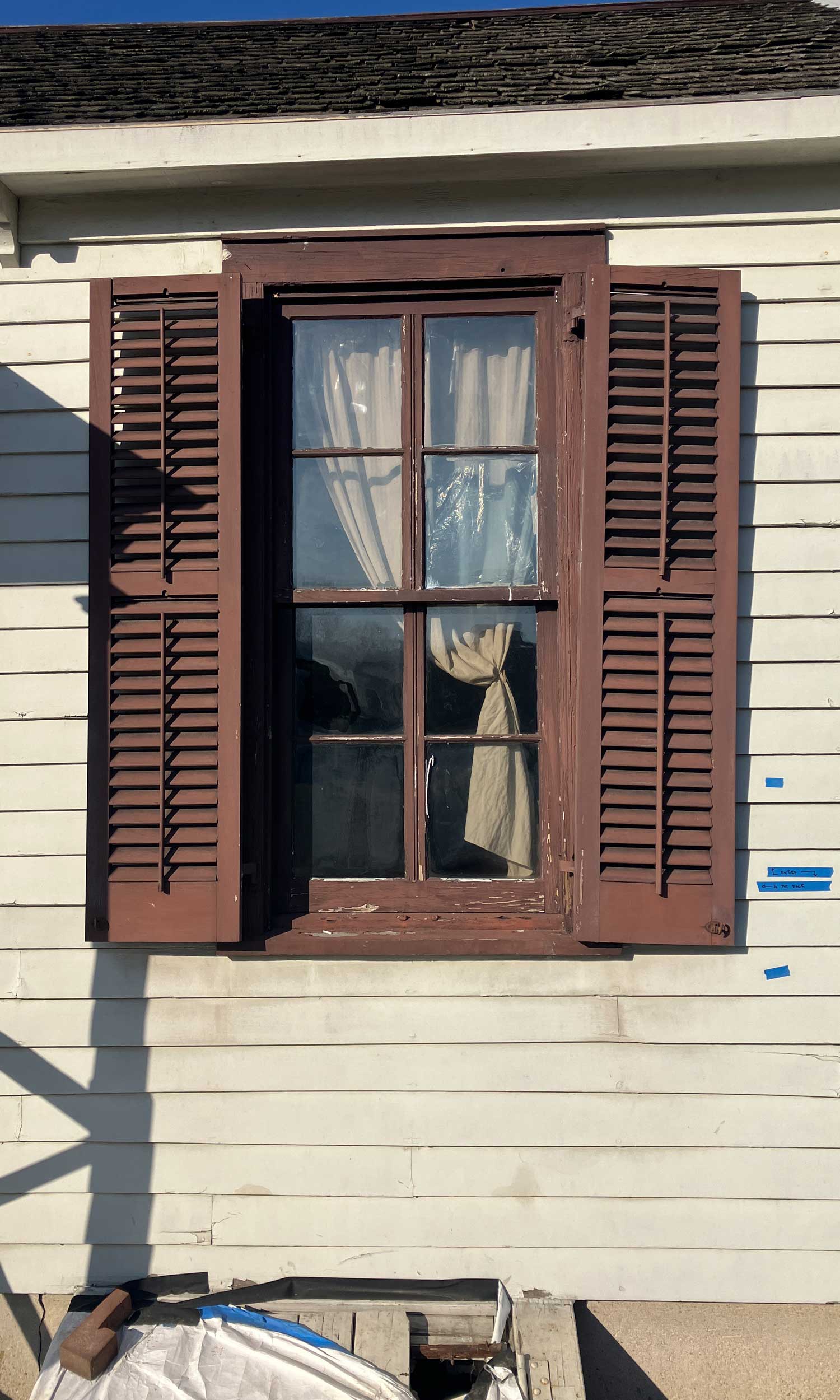
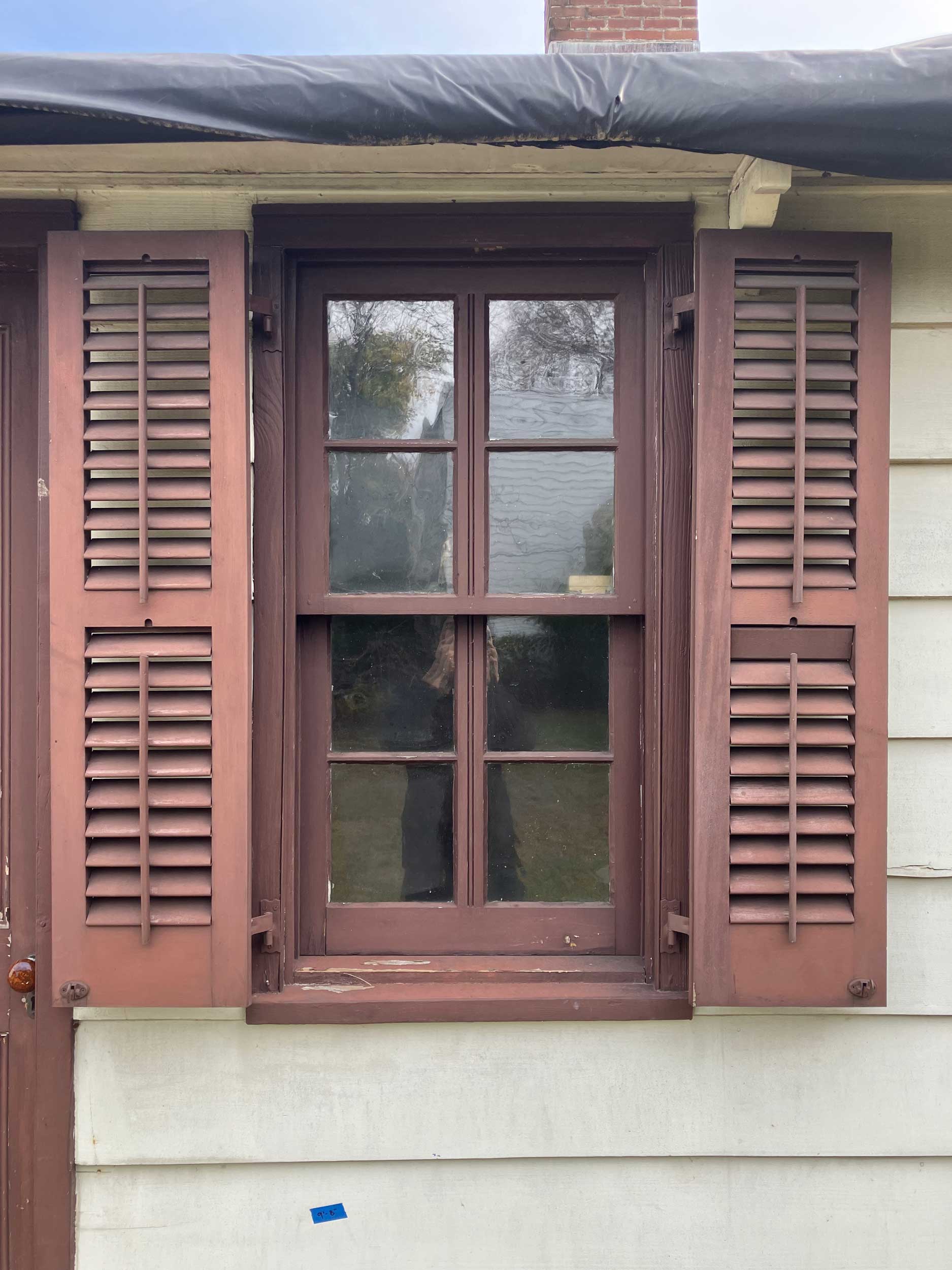
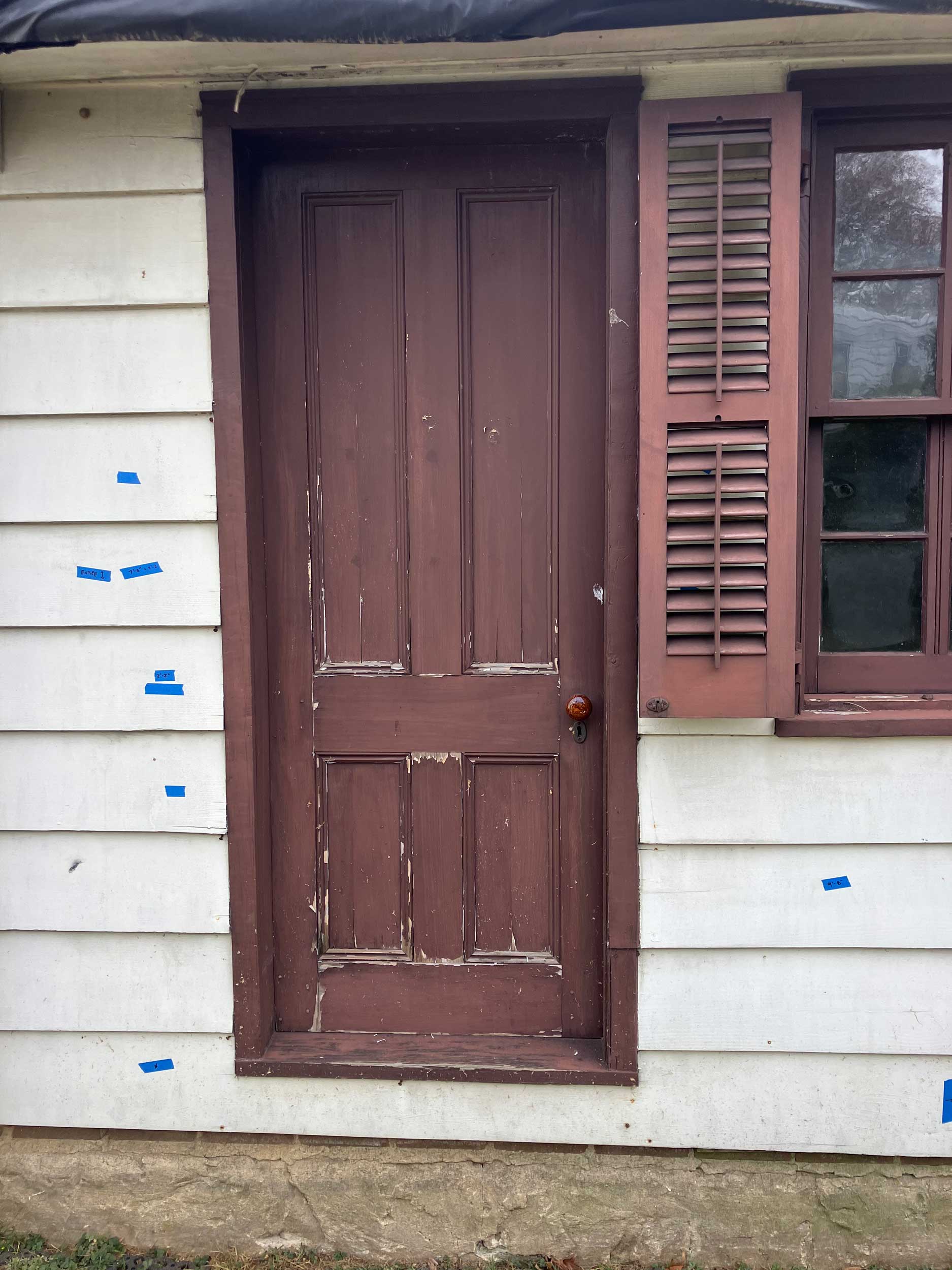
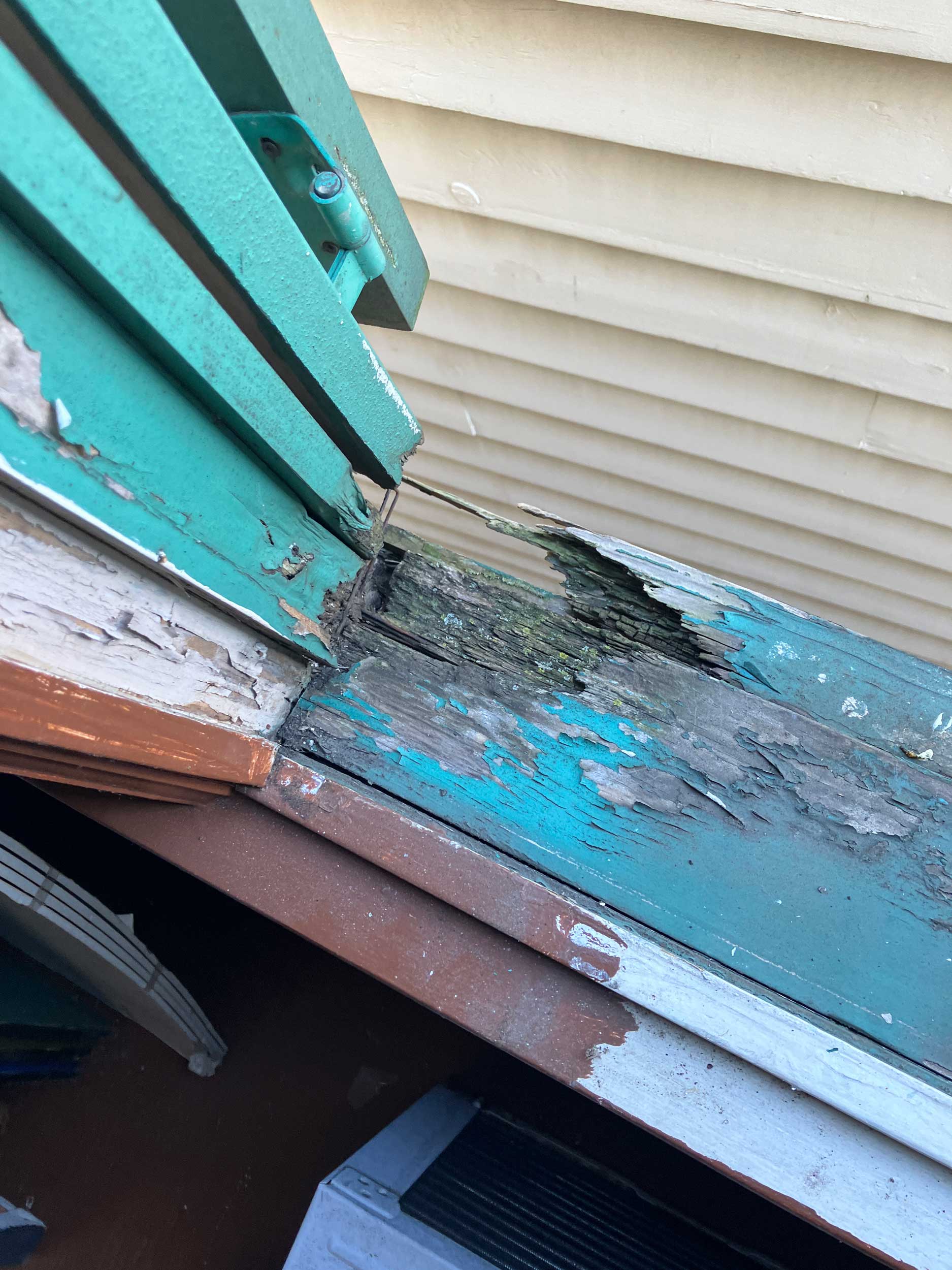
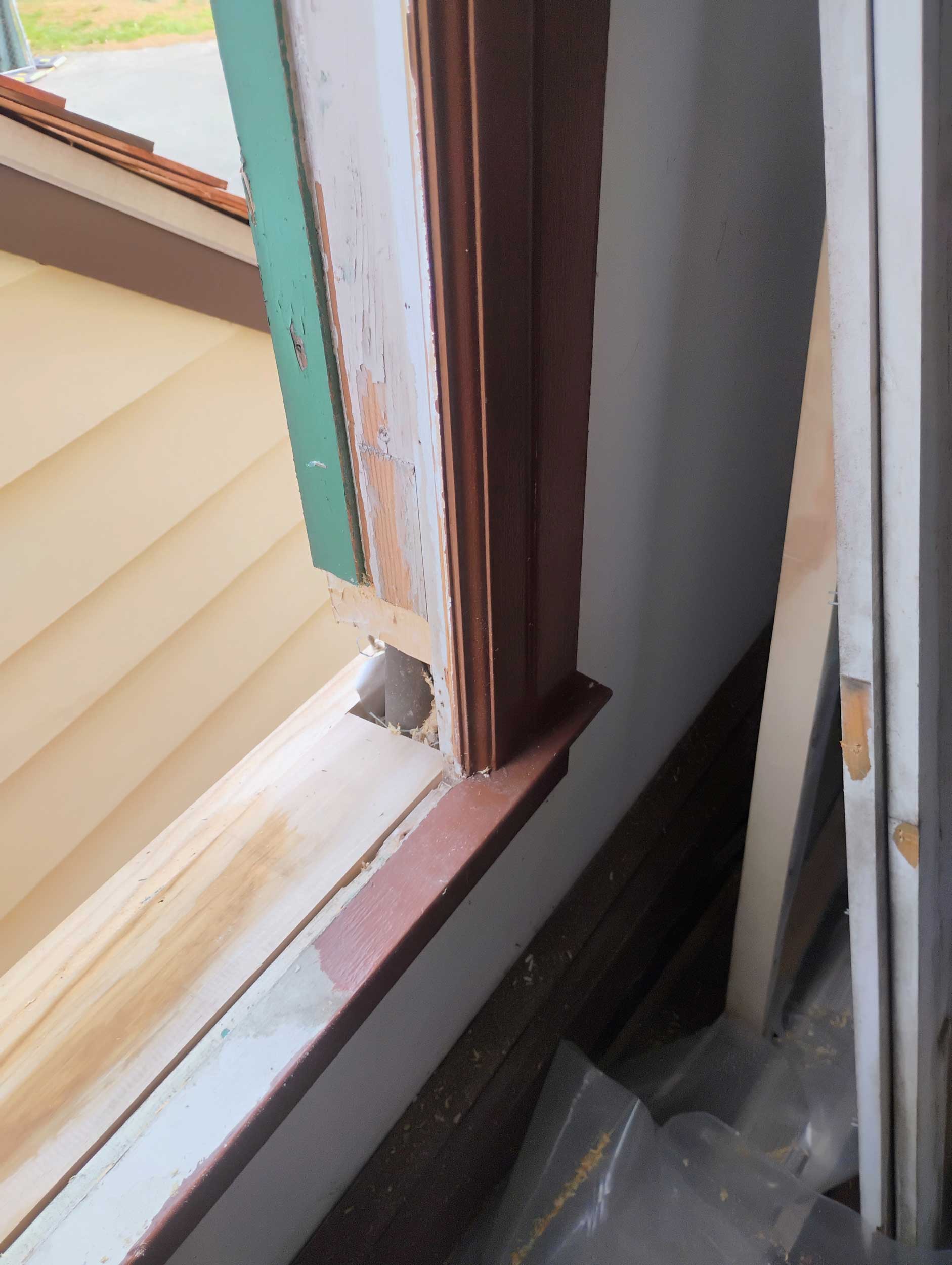
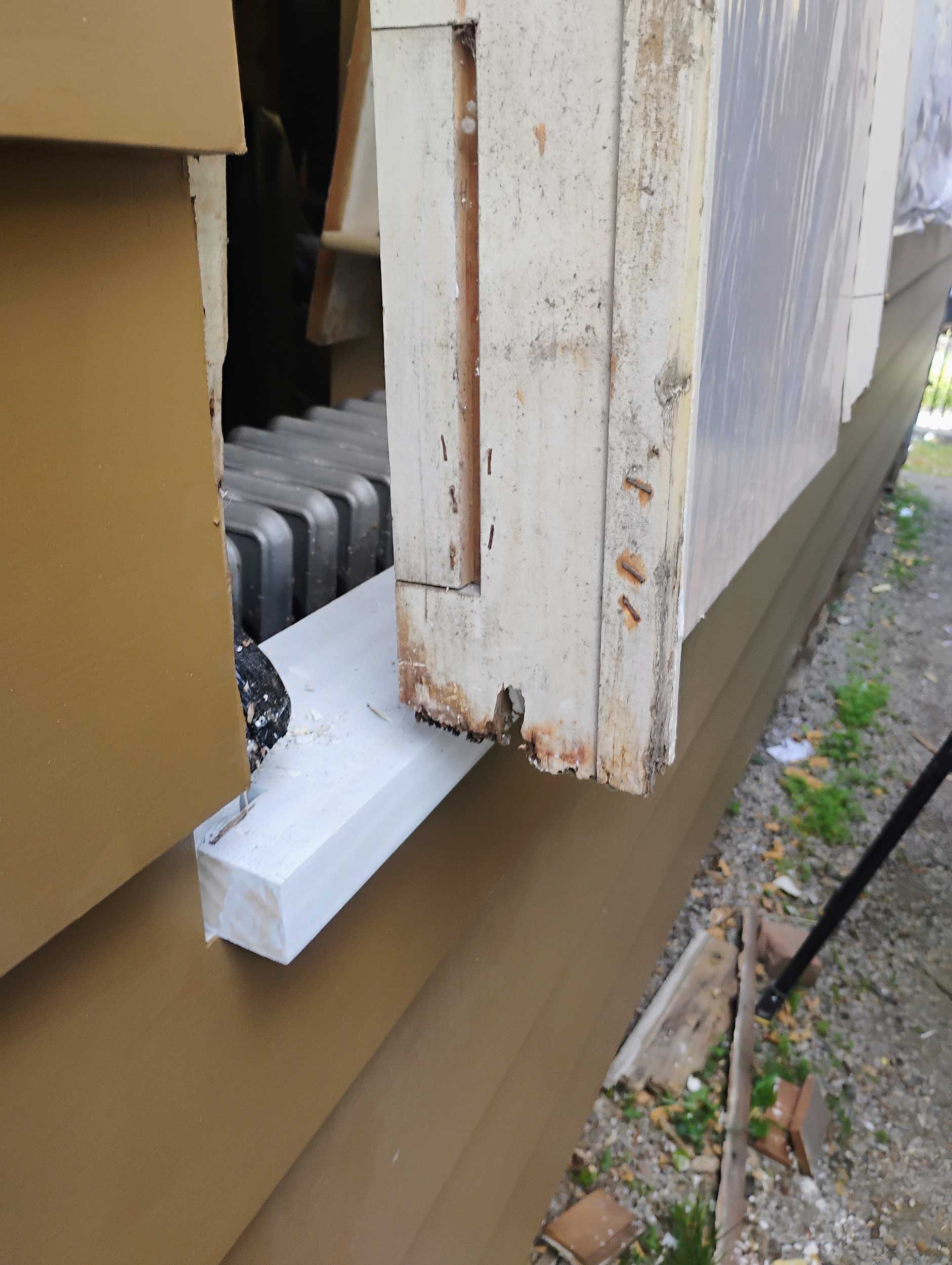
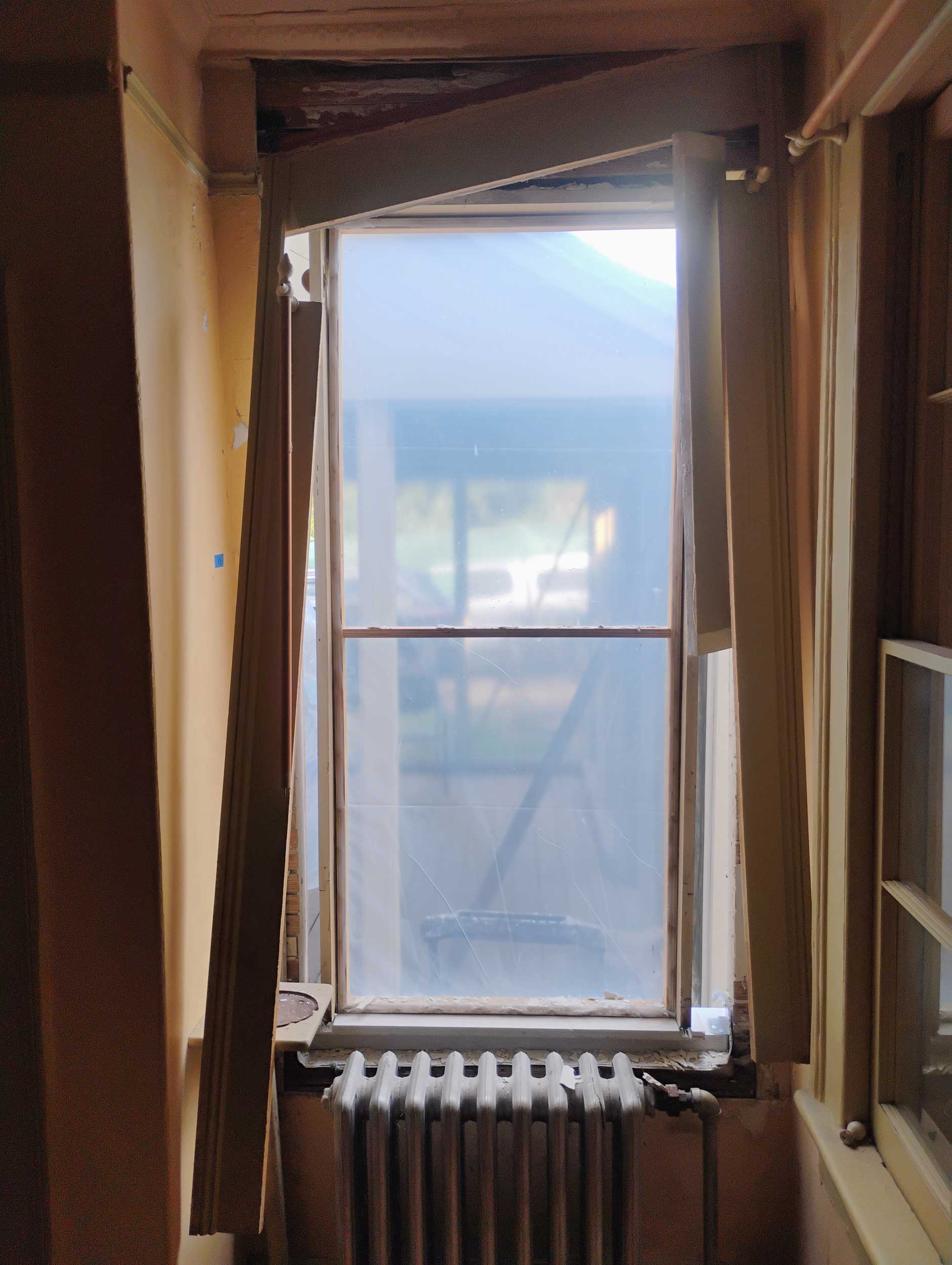
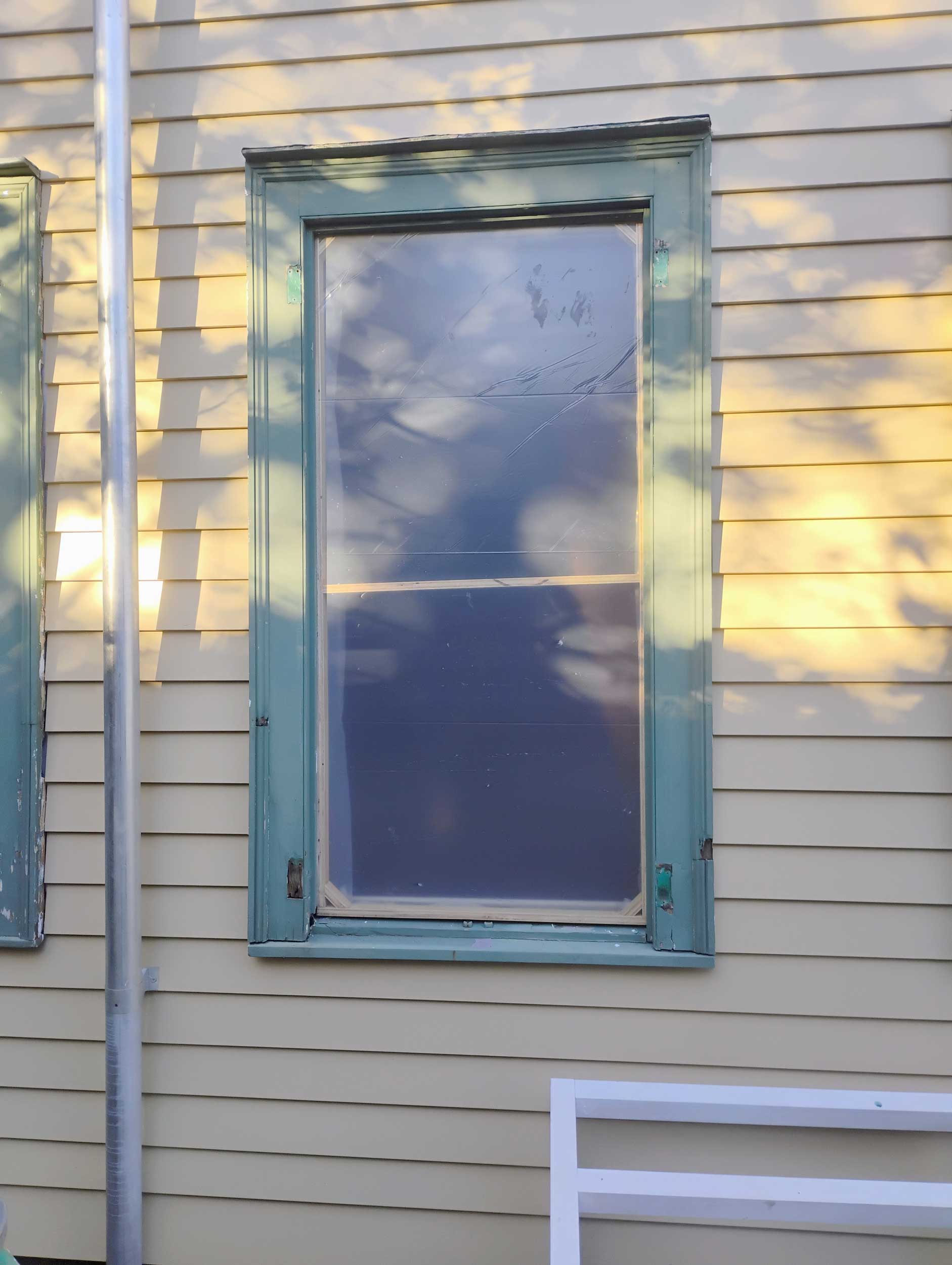
Each window began with a careful assessment. Rotted components were removed, assemblies selectively disassembled, and all parts labeled and cataloged. This process revealed what could be preserved, what needed replacement, and how new work would be integrated into the original assembly.

2.
Repair

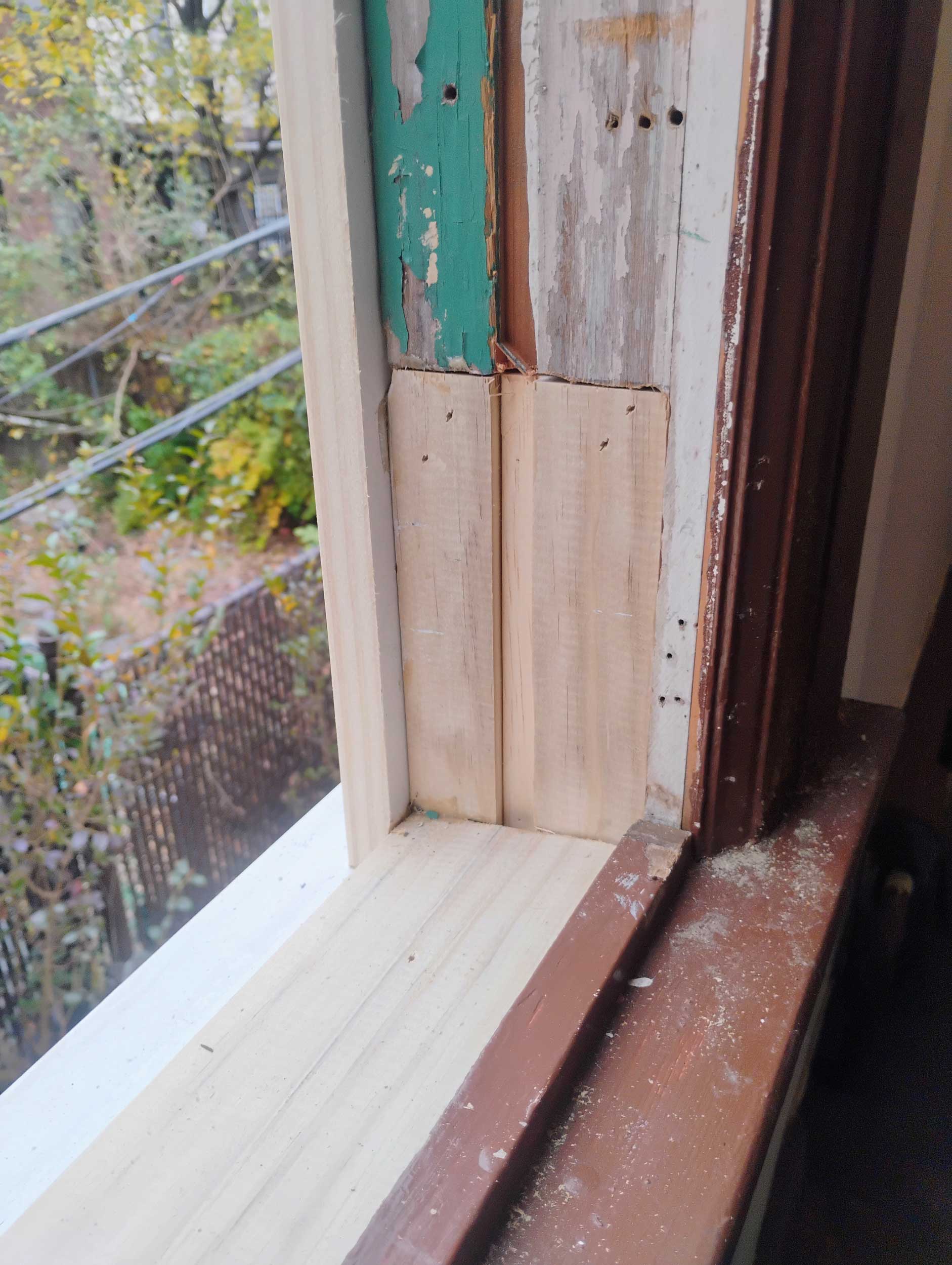
To remain within budget, repairs were carefully balanced against replacement. In most cases, new work was integrated through targeted joinery and reproduction components, avoiding wholesale replacement of entire window assemblies wherever possible.

3.
Assembly

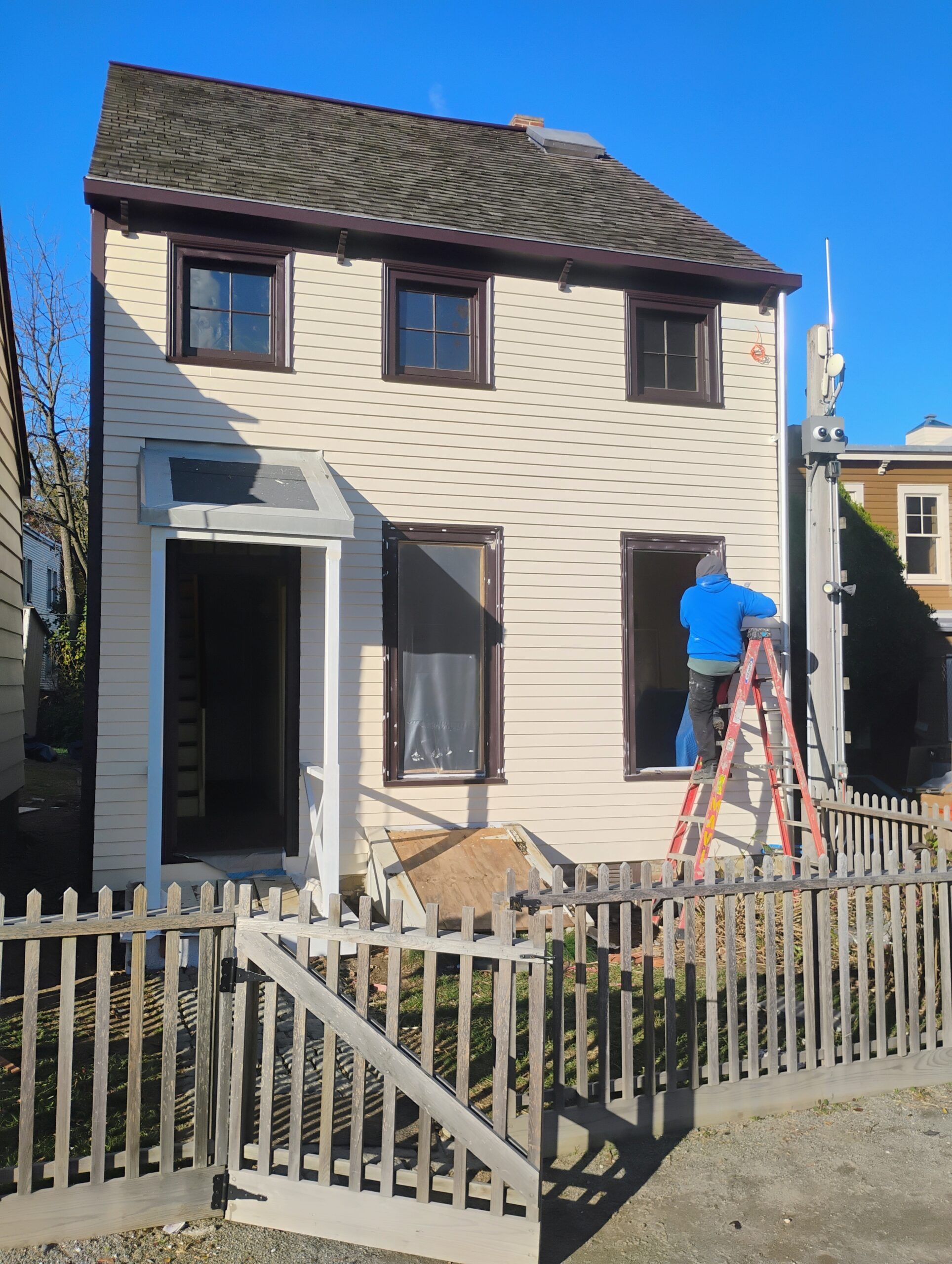
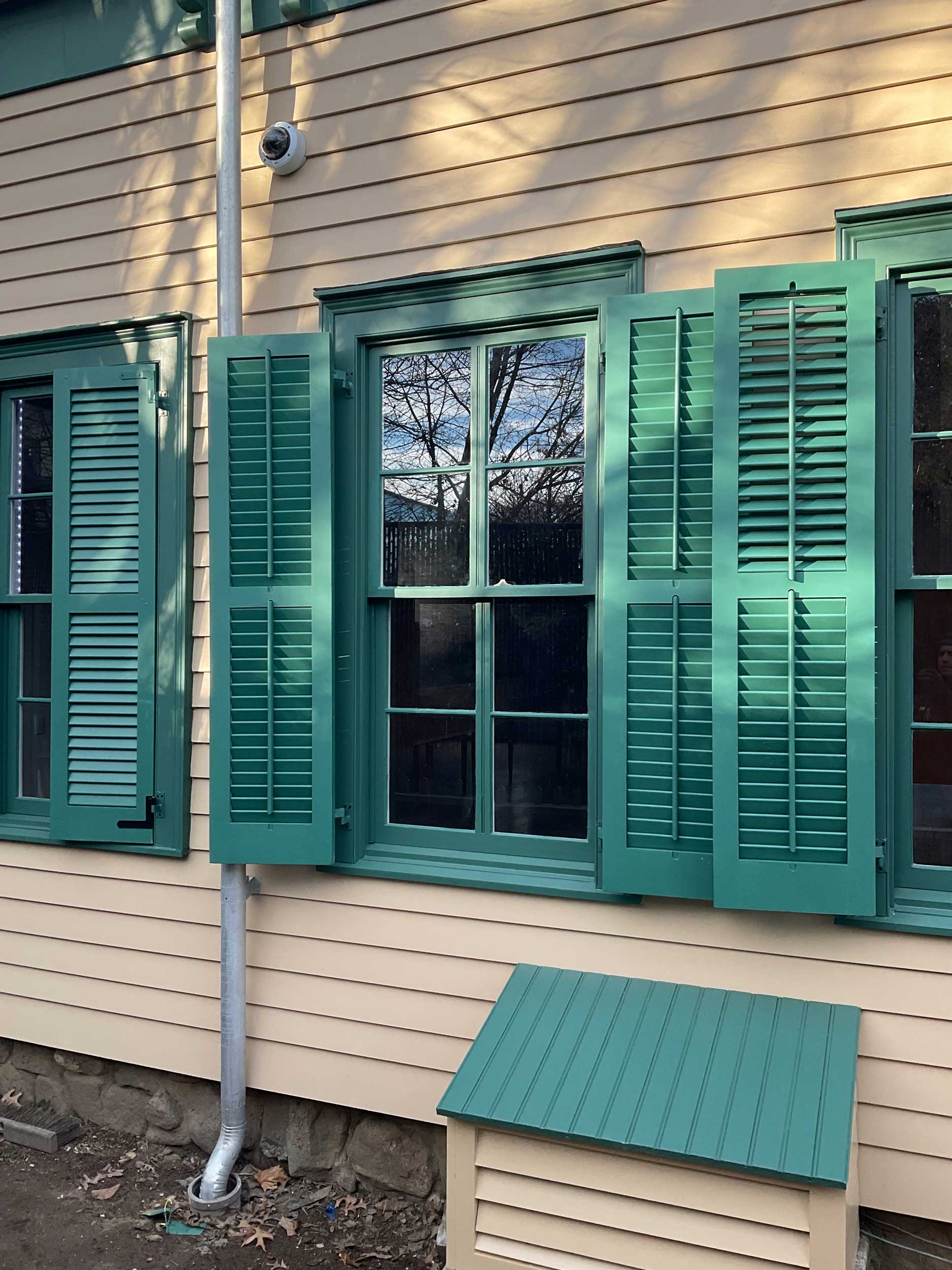
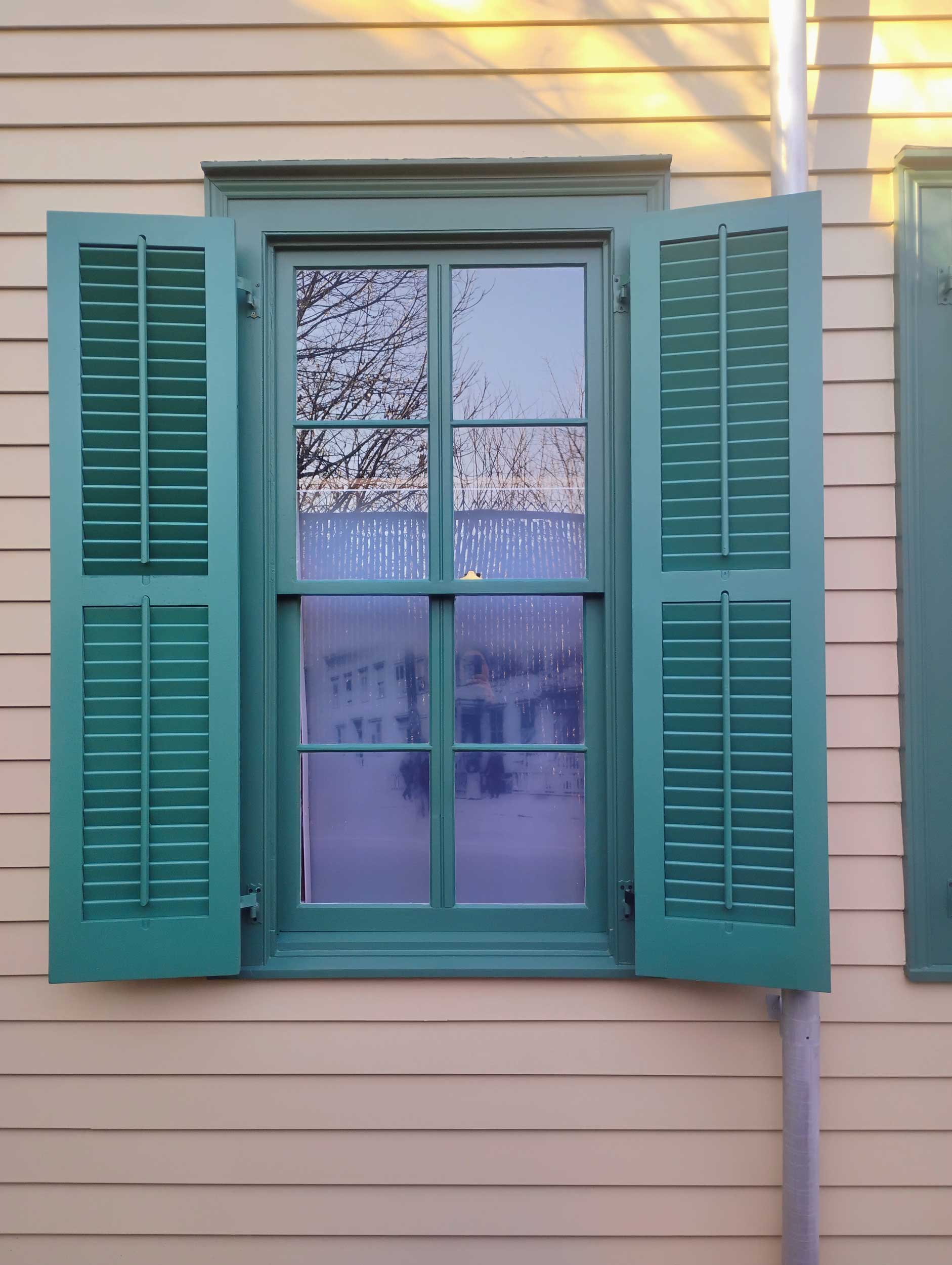
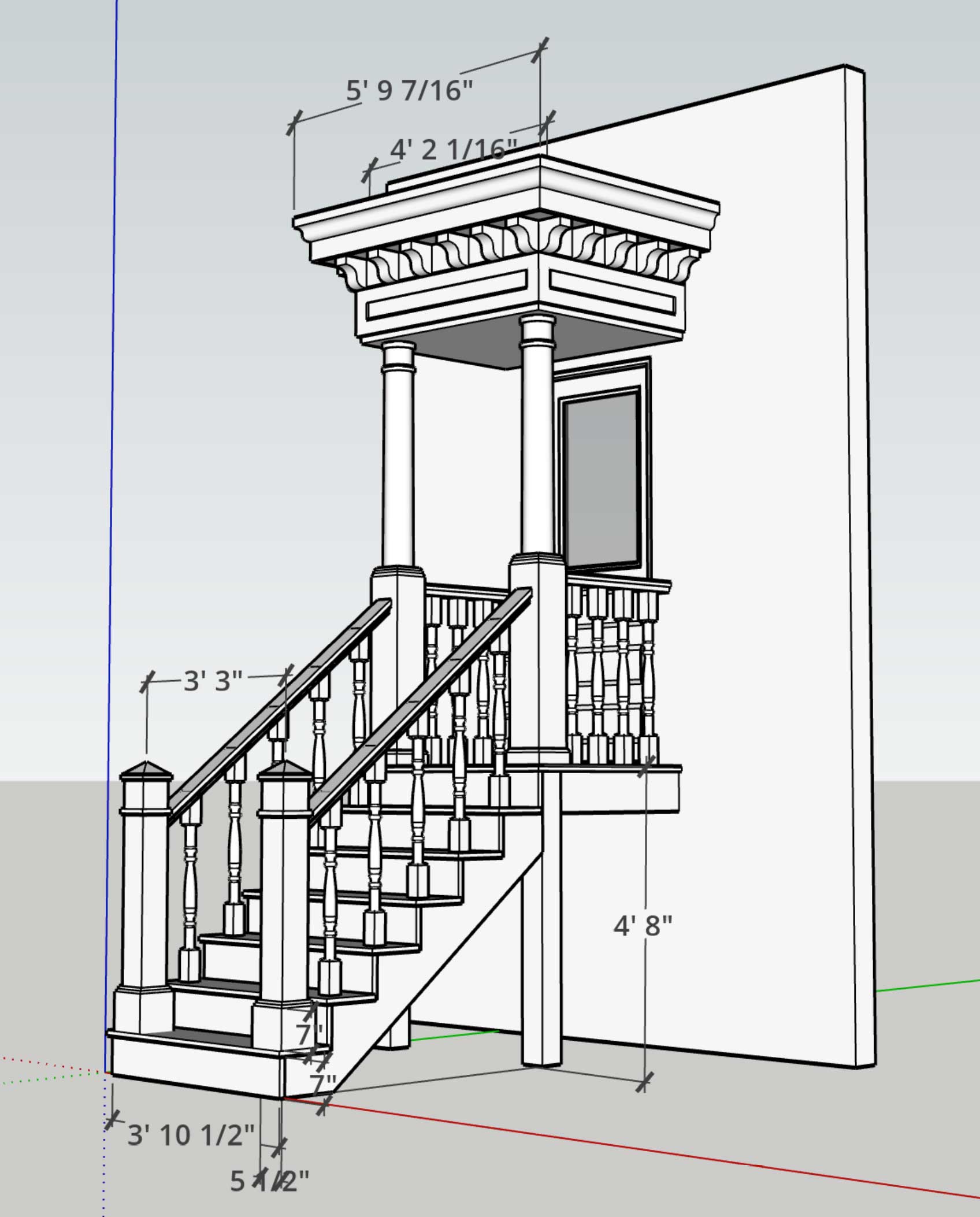
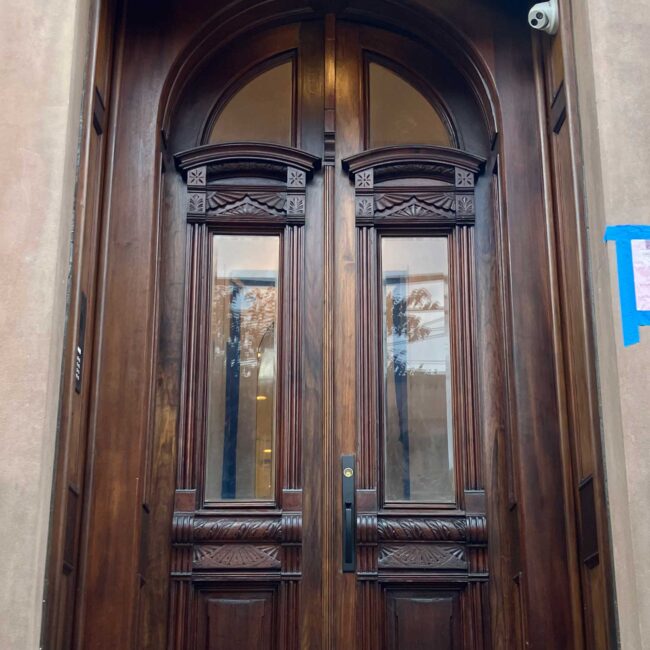
Most reproduction elements, along with much of the window and door work, were fabricated in our workshop. Working off-site allowed production to continue uninterrupted by weather or site conditions. Once complete, all components were transported to the site for final assembly and installation.

4.
Finishing

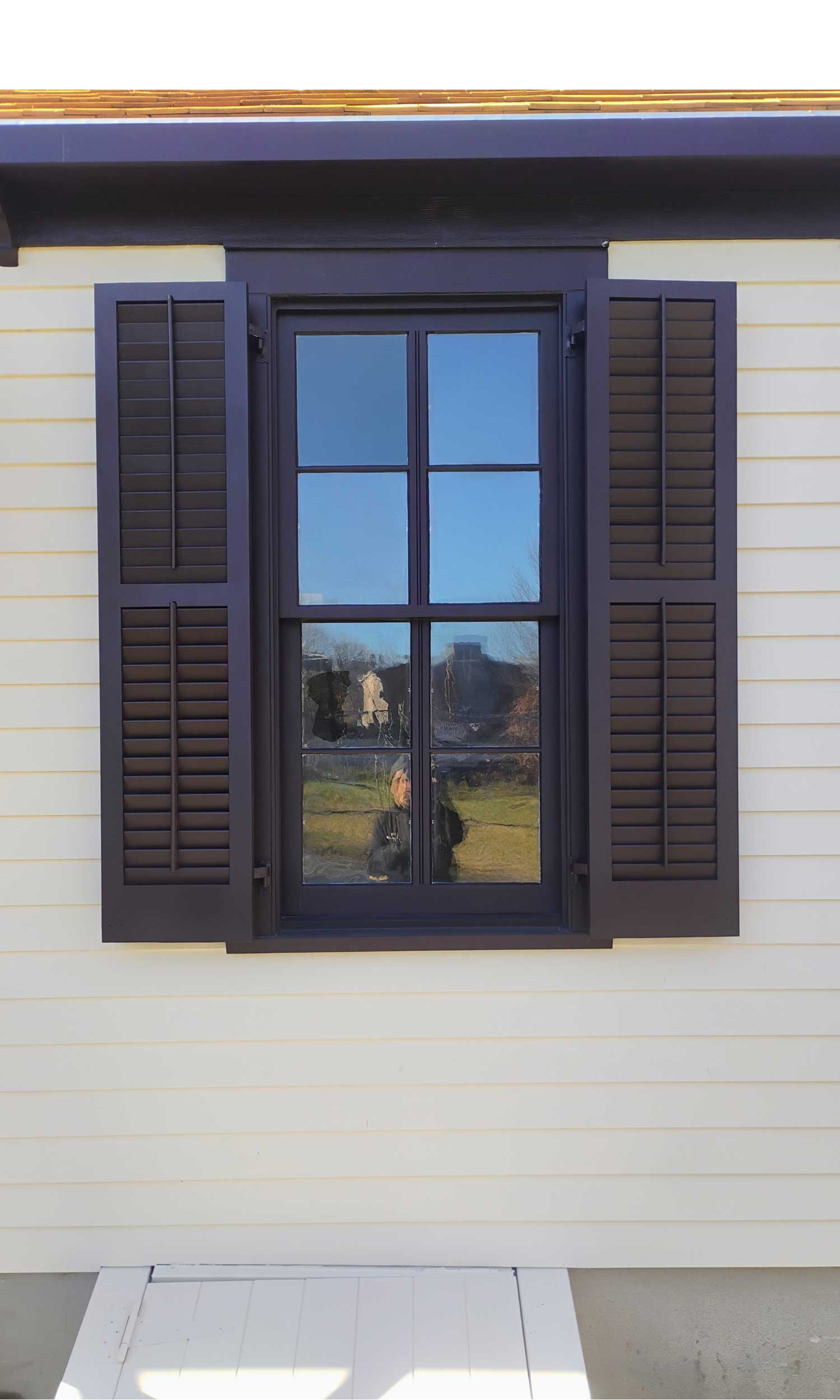
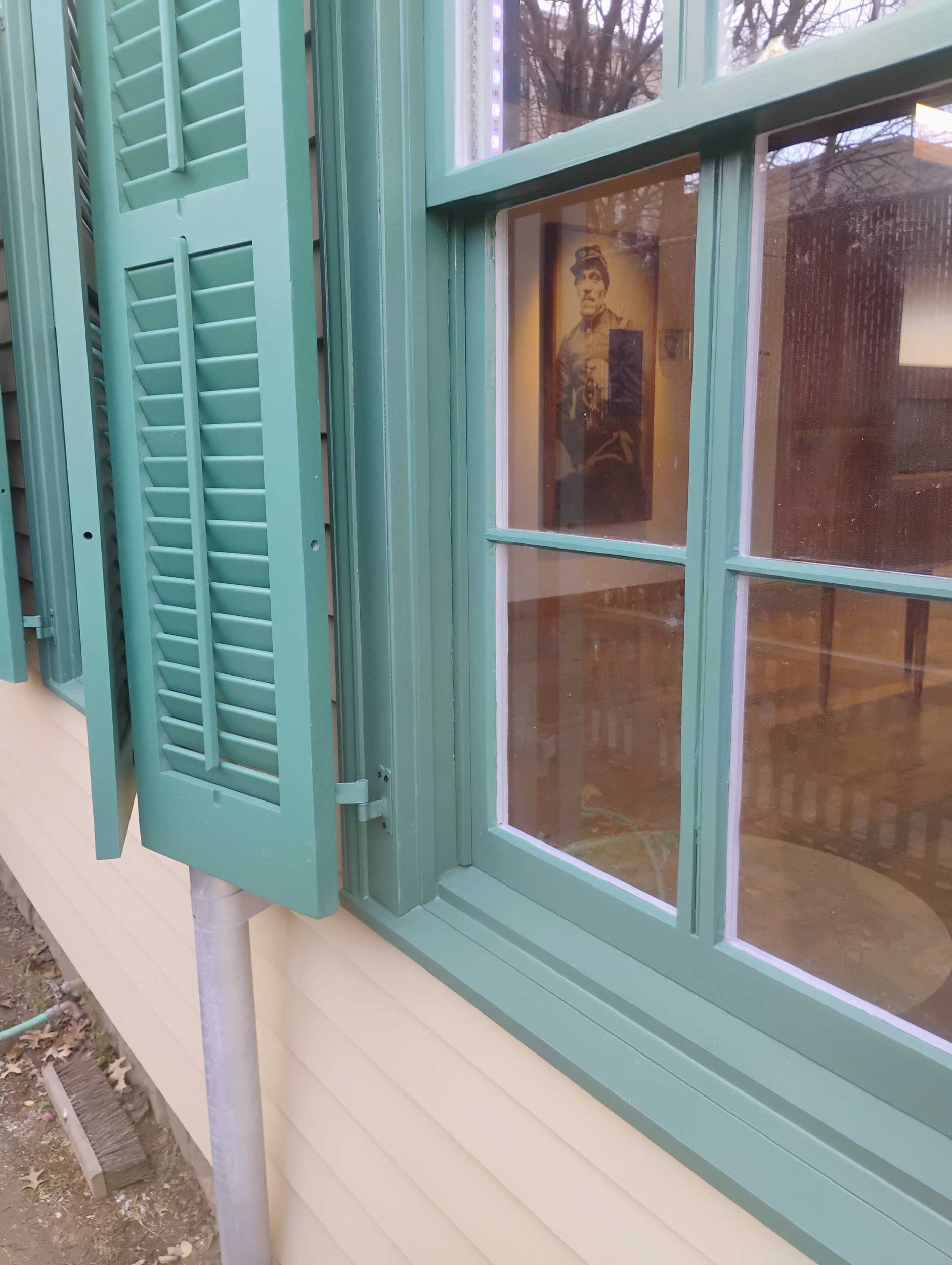
The most satisfying part. Once everything is assembled we finish everything, filling nail holes, final sanding, applying polyurethane caulking, and at last the painting.

Drag
Category: